CUISINE
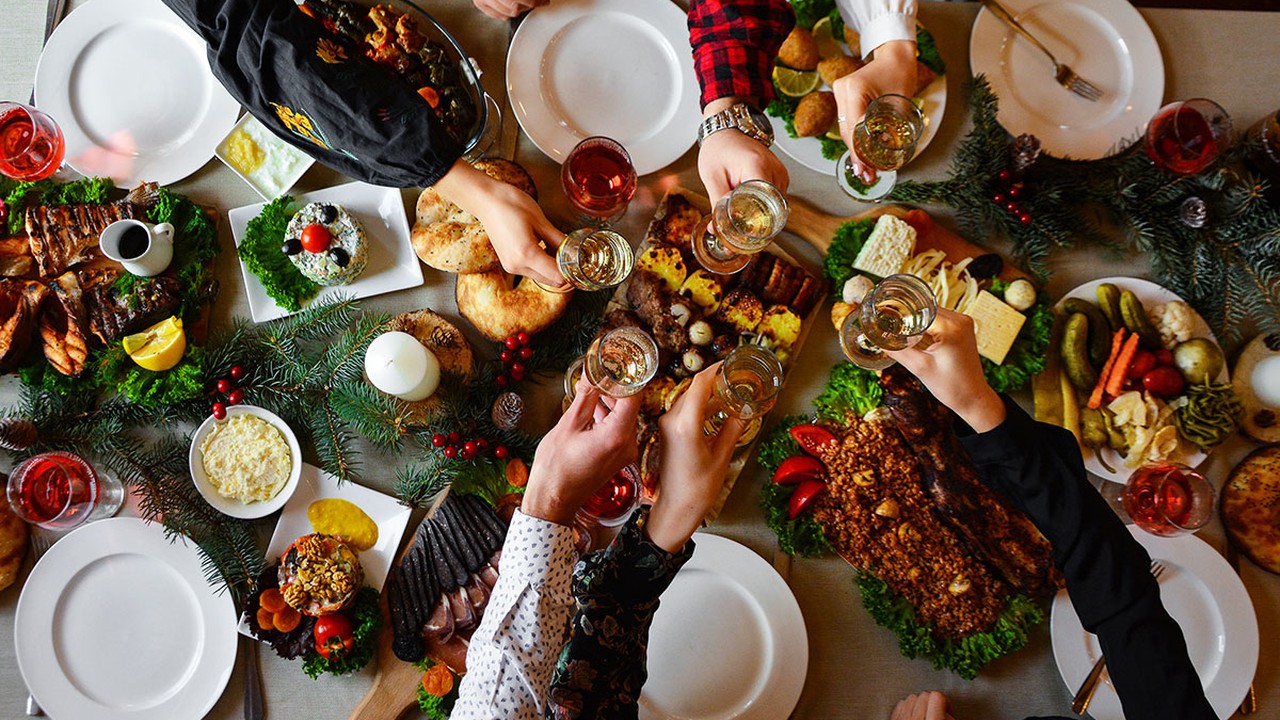
Visit
Armenia and discover its rich and ancient culinary traditions, where recipes
passed down for millennia are preserved. Experience the combination of aromas
of black pepper, cilantro, mint, tarragon, basil, thyme, garlic and onion,
which give Armenian dishes an incomparable taste.
Taste
barbecue made from marinated meat, dolma with various fillings wrapped in
cabbage or grape leaves, as well as local dishes cooked according to
traditional recipes: Sevan trout, whitefish and many others. Armenian cuisine
is a real feast for the senses.
In
the numerous restaurants of Yerevan, you can discover the diverse flavors and
culinary heritage of Armenian cuisine.
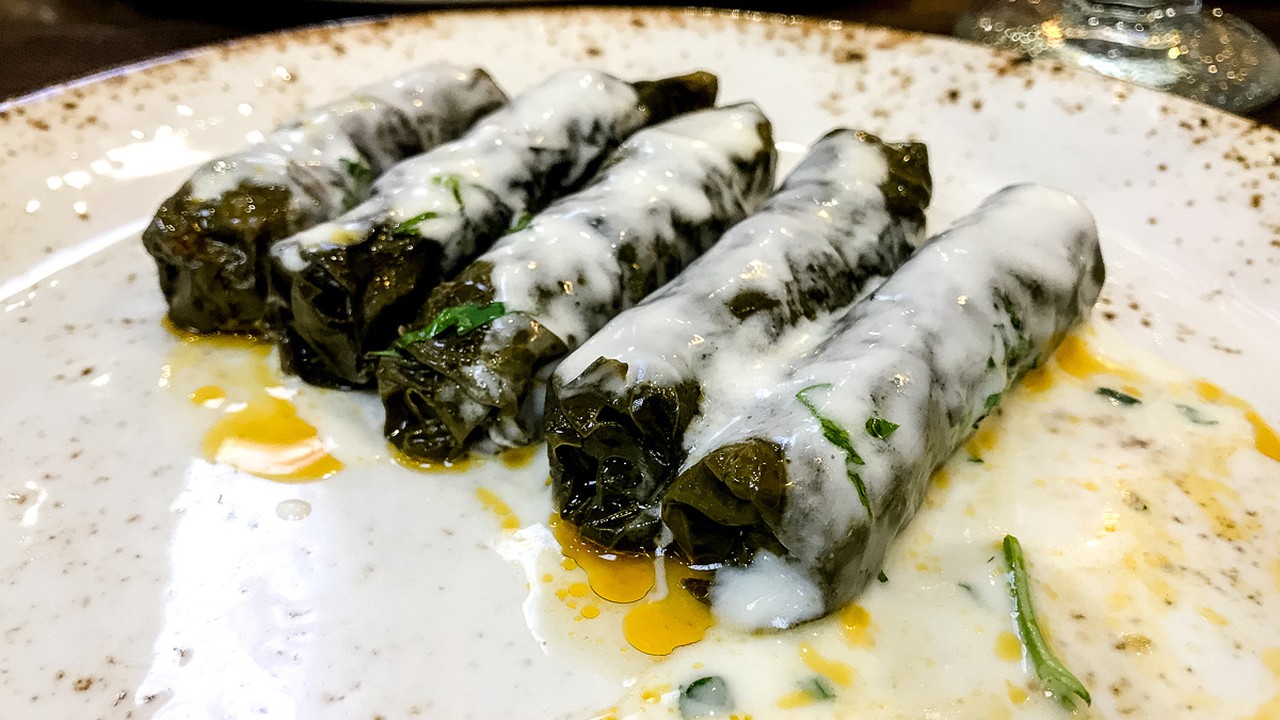
Armenian dolma in grape leaves
Dolma is one of the oldest and most beloved dishes of Armenian cuisine. The Urartian word “toli” means grape leaf, and this is where the name “dolma” comes from.
This dish is common in the cuisines of different peoples, but each has its own unique way of cooking it.
Shrub dolma is made with a filling wrapped in grape leaves, which mainly consists of rice or grains and minced meat: beef, lamb or pork.
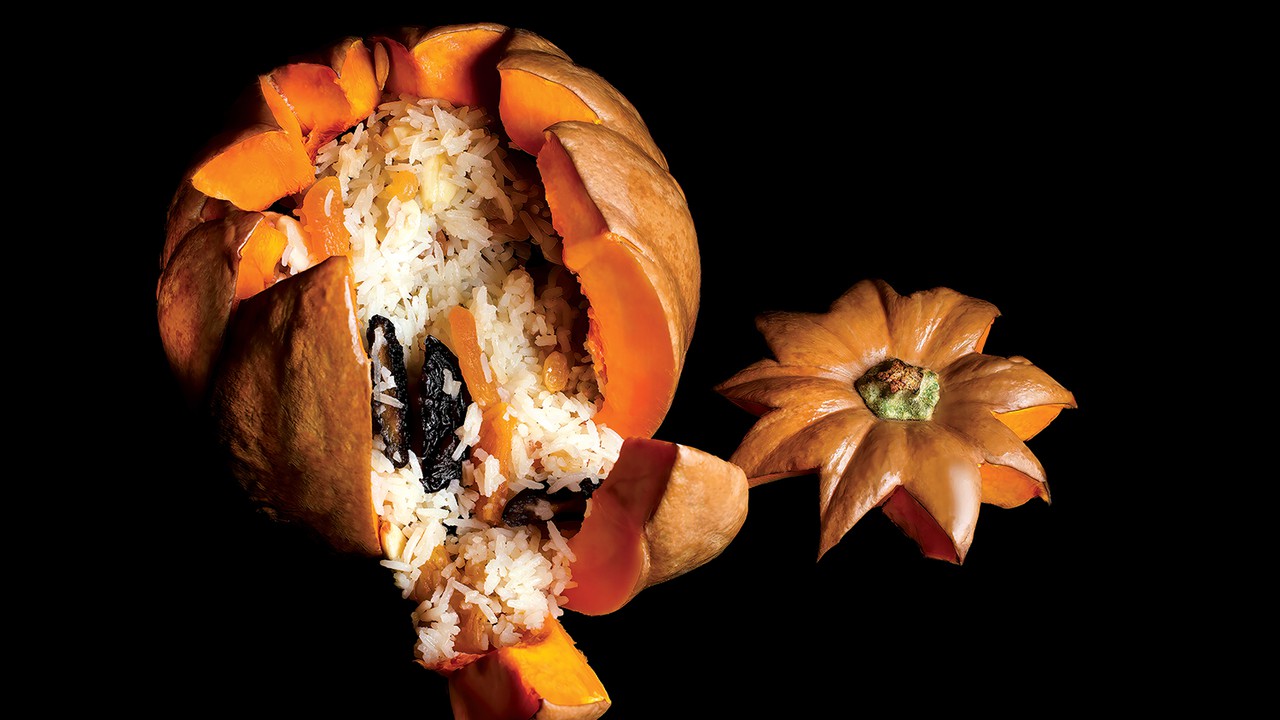
Ghapama
Ghapama is a traditional Armenian dish made with stuffed pumpkin, which symbolizes abundance and goodness.
According to national tradition, ghapama was served on the wedding table as a sign of prosperity. To prepare the dish, the top of the pumpkin is cut off like a lid, and the core, along with the seeds, is removed. The walls of the pumpkin are coated with butter from the inside, then stuffed with rice, dried fruits, fresh fruits, legumes, and seasoned with honey, sugar, and cinnamon. The stuffed pumpkin is covered with a lid and placed in the oven until it is completely soft and golden.
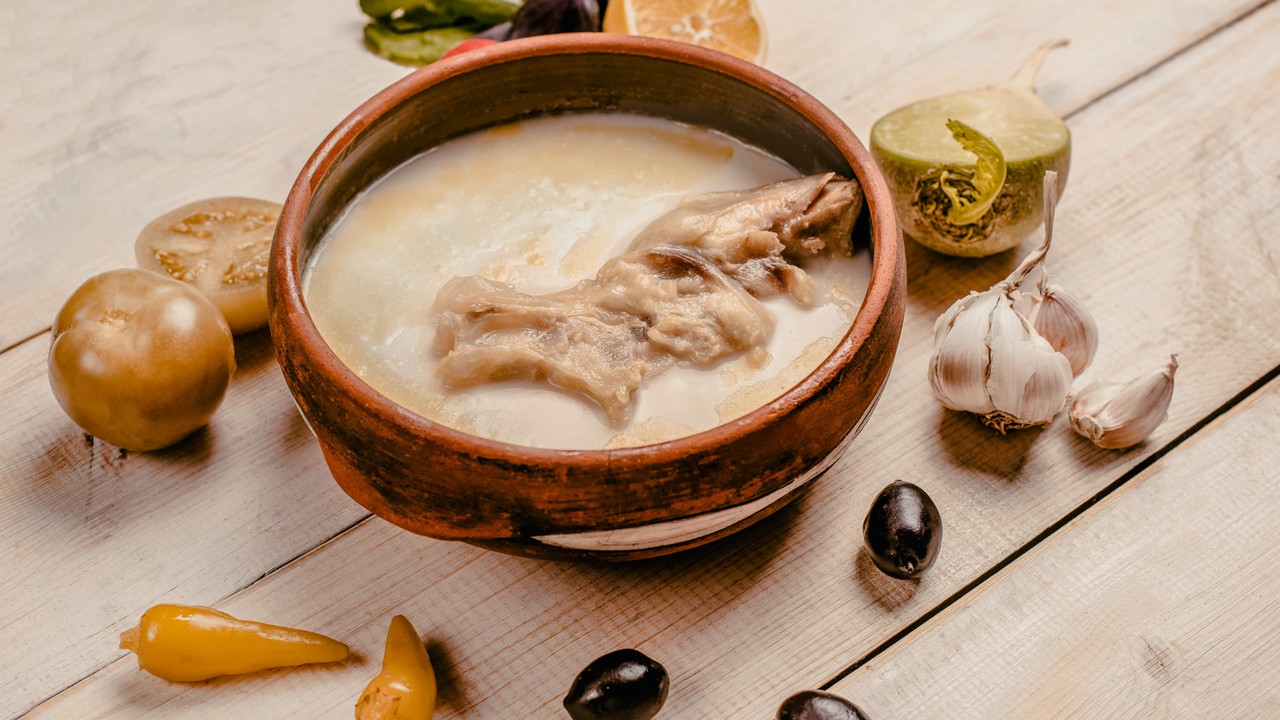
Khash
Khash is an ancient Armenian dish, hot, filling, and symbolic. The name “Khash” comes from the Armenian word “khashel,” which describes the main method of cooking the dish. Other similar names have also come from this word: khashlama, khashu, khashil. Khash was mentioned as early as the 11th century, in Grigor Magistros’s work “The Comfort of Warmth.”
Making khash is a whole ritual, when men gather in the evening and cook the soup made from beef legs all night long, over low heat. It is traditionally served early in the morning, mainly in autumn, winter, and early spring. Khash lovers eagerly await the months that contain the letter “r” in their names: from September to April.
Panrkhash
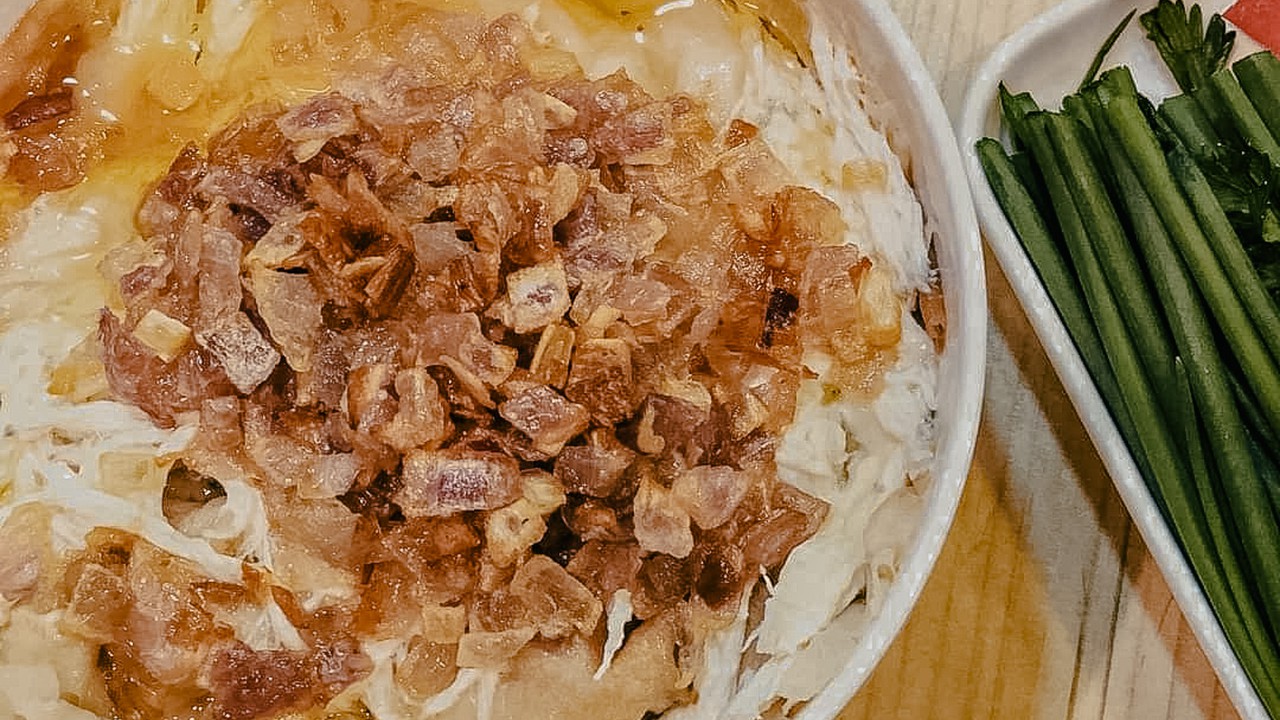
Panrkhash is one of the oldest and traditional dishes of Armenian cuisine. It was prepared in almost all provinces, and has come down to us especially from the cuisine of Mush. Although the cooking method is simple, the dish is extremely satisfying and has a unique charm. Its name is made up of a combination of ingredients and cooking method. The main ingredients of Panrkhash are lavash, Chechil cheese, onion, virgin olive oil, and boiled water.
In different provinces, the dish was prepared in different ways: with string cheese or grated cheese, sometimes with dry lavash or stale bread. In some places, fried onions, red pepper, garlic, and even eggs were added. Regardless of the cooking method, Panrkhash has always carried the collective charm of tasting the dish.
Panrkhash is usually prepared during feasts
and family gatherings. Guests and family members gather around the table, and
everyone is given deep clay plates. The hostess, in front of everyone, begins
to prepare the panrkhash. She cuts one lavash into small pieces, the Chechil
cheese into thin strips, and layers the lavash pieces, then the cheese, in her
clay bowl. Everyone follows her example. Then the hostess brings the onions,
which have been fried in oil and browned well, and boiling water. Each person adds
a little boiling water and fried onions to their dish and enjoys the delicious
panrkhash.
Harissa
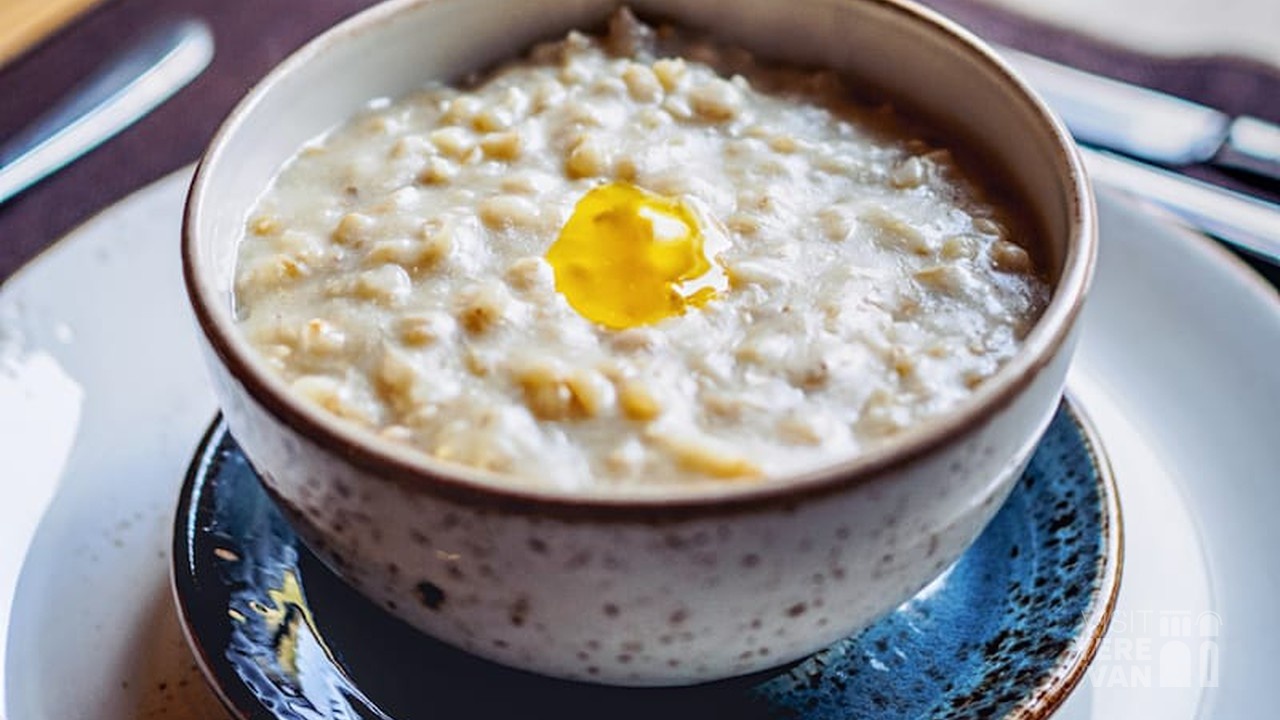
Harissa is a ritual and festive dish with deep national roots, which is prepared on solemn days as a symbol of unity, abundance and prosperity. The dish is prepared with wheat groats and meat (chicken, lamb or beef), which are cooked for a long time in water, constantly stirring with a wooden paddle, until it becomes a viscous mass. When serving, melted butter is poured over harissa. This composition is associated with the worship of wheat as a symbol of life and the longevity of the nation. According to tradition, when Gregory the Illuminator leaves Khor Virap and comes to Vagharshapat, he decides to organize a feast, that is, to invite and entertain the people gathered around the church. To prepare the dish, he slaughters sheep and calls on the young people to knead the food: “Knead this.” From this expression, the name “harissa” originated.
Over
time, harissa became not only an everyday, but also a festive dish. After the
Armenian Genocide, it began to be prepared as a symbol of sacrifice and unity,
especially in memory of the heroic battle of Musa Ler. Every year, on the third
Sunday of September, the day of the heroic battle of Musa Ler is celebrated in
the village of Musaler: at night, harissa is cooked on bonfires, patriotic
songs are sung, and in the morning, the anointed harissa is served to the
people as a symbol of unity and victory.
Armenian Lavash: A Cultural and Culinary Delight for Tourists
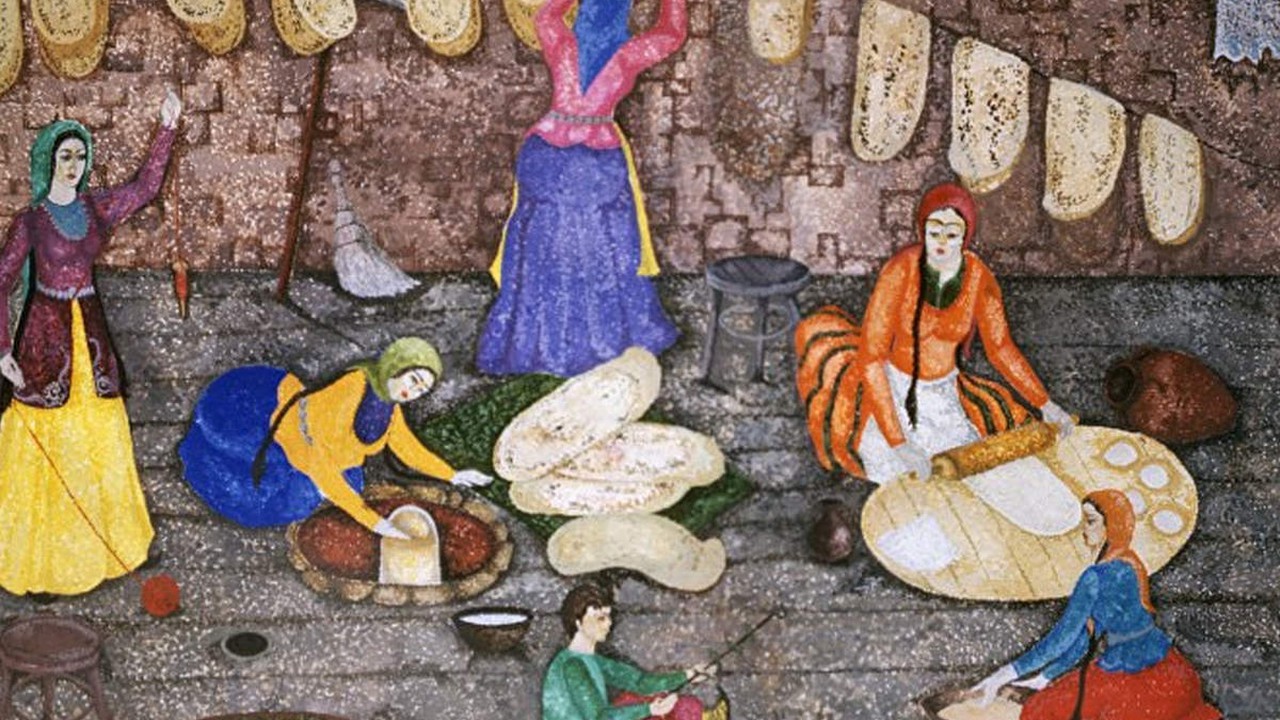
Traditional Armenian lavash is not only an integral part of Armenian cuisine, but also an important symbol of cultural heritage. It is included in the UNESCO Intangible Cultural Heritage of Humanity list as a symbol of the identity and unity of the Armenian people. It has also played an important role in Armenian history.
During wars and migrations, it has been an indispensable source of food: easily transported, suitable for long-term storage and nutritious. Lavash has become a symbol of life, endurance and hope, uniting generations and becoming an integral part of national identity.
The
tradition of making lavash has been passed down from generation to generation.
This simple bread is made from flour, water and salt, then baked in a tonir,
acquiring its unique aroma and delicate taste. It is soft and pliable, which
makes it great for wrapping various fillings, from grilled meat and fresh
vegetables to cheese and fragrant greens. Today, lavash is enjoyed not only in
Armenia but also around the world.
One
of the best ways to taste lavash is to visit a traditional Armenian bakery or
restaurant. Here, tourists can witness the process of making lavash, including
kneading the dough and baking it in a tonur. In some places, visitors can try
their hand at baking lavash.
Armenian
lavash is more than just a type of bread; it is a cultural and culinary delight
that every tourist should experience. Whether you visit a traditional bakery,
try it in a restaurant, or even make it yourself, lavash is an essential part
of Armenian cuisine.
Armenian fruits
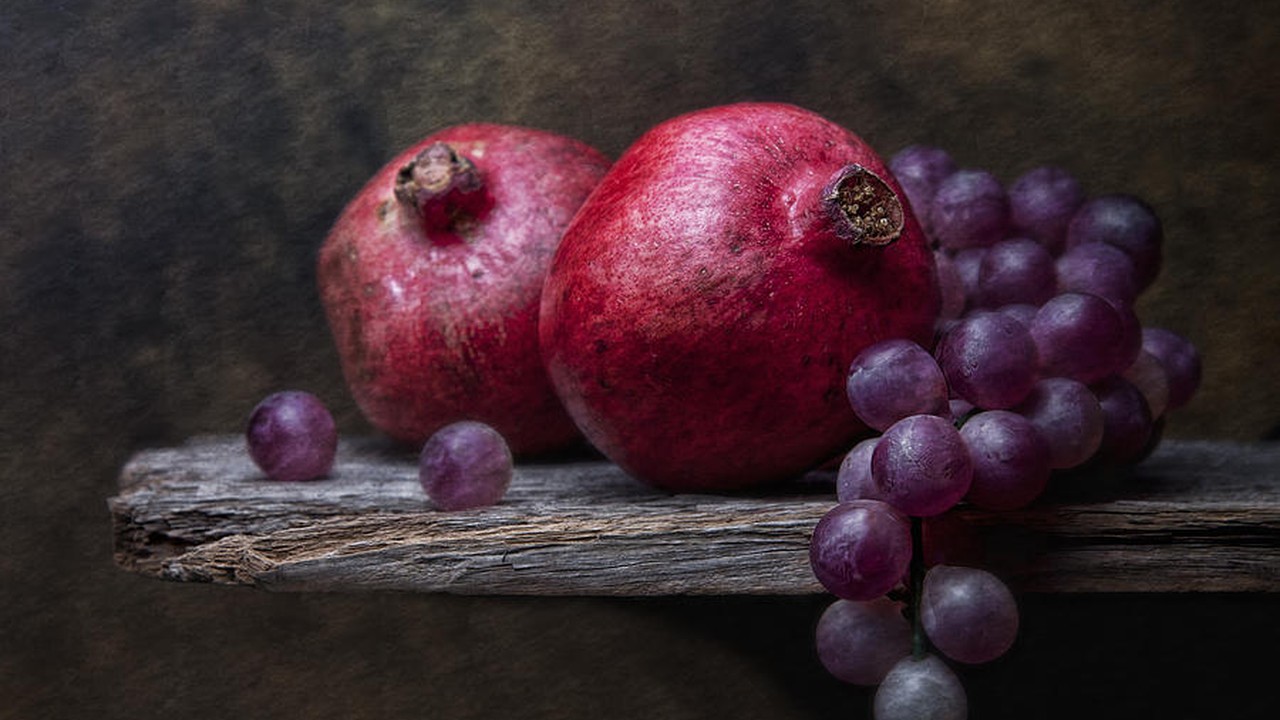
Armenia is endowed with a unique climate and fertile soil, which are perfect for growing delicious and fragrant fruits. Armenian fruits are not only famous for their juiciness and natural sweetness, but also have a special place in the culture, traditions and everyday life of our people. One of the most famous fruits of Armenia is the apricot, which is often called “Armenian gold”. With its sunny sweetness and delicate aroma, apricot has become an indispensable ingredient in many Armenian dishes, desserts and drinks. Another symbolic fruit is the pomegranate. It has a special place in Armenian culture and symbolizes fertility, abundance and success. This symbol is often found in Armenian art, architectural ornaments and rituals. Pomegranate is not only beautiful in its appearance, but is also an indispensable ingredient in many Armenian dishes, giving them a unique taste and color.
Armenia is also famous for its grapes, from which high-quality wines and brandies have been made for centuries. The history of Armenian winemaking dates back to ancient times, from the ruins of the Areni winery to modern wineries. Today, Armenian wines and brandies are known all over the world for their unique taste. In addition, strong fruit vodka made from grapes is very popular among both locals and tourists. Mulberry has also been cultivated in Armenia for thousands of years, which is considered not only a tasty but also a healthy fruit. Mulberries are often eaten fresh, but they are also used to make jams, syrups, and traditional mulberry vodka. Figs, quince, apples, cherries, etc. are widely grown in Armenia. These fruits not only enrich the Armenian table, but are also used in the preparation of various traditional dishes, desserts, and drinks. Tourists visiting Yerevan can enjoy these delicious fruits by wandering through local markets, where both fresh fruits and dried fruits and jams are sold. The fruits of Armenia are not only a delicious treat, but also a living reflection of the people's rich history, hard work, and hospitality.
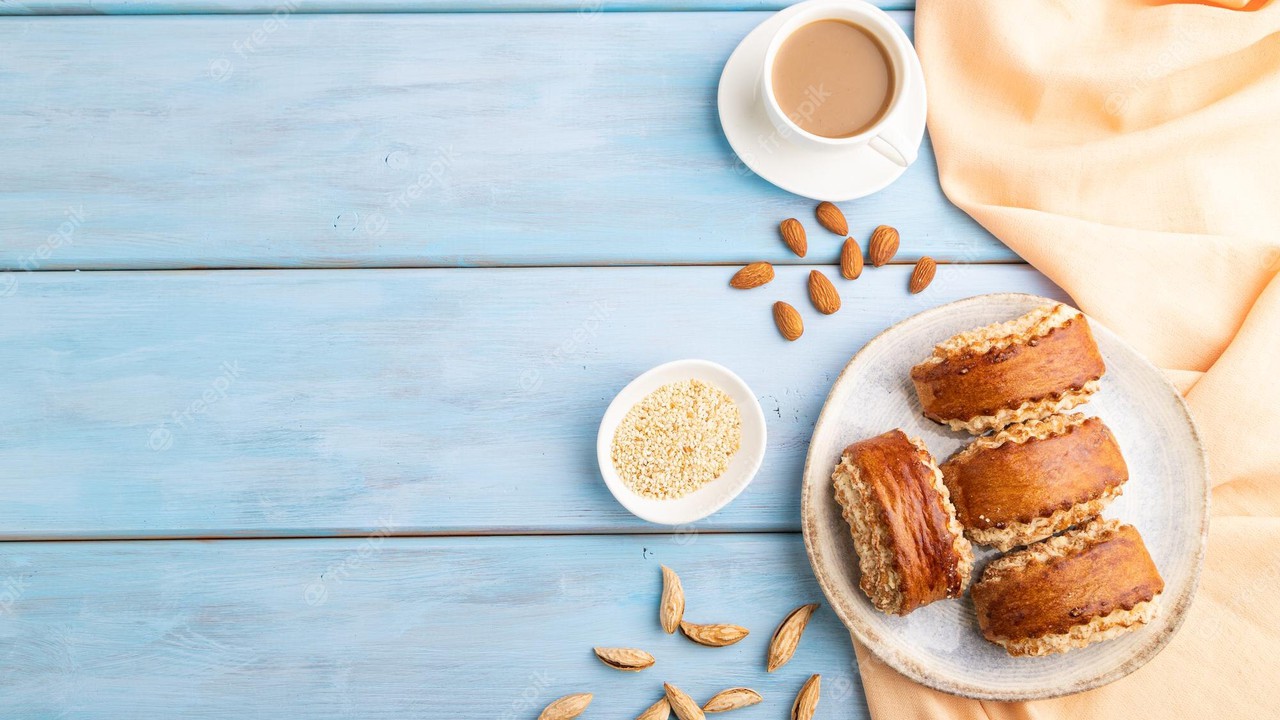
Delightful Charm of Gata
Gata is one of the most beloved national desserts of Armenian cuisine, which has adorned Armenian tables with its unique taste for centuries. This delicate pastry is usually served with tea or coffee. It is made from very simple ingredients: flour, sugar, butter and milk. The dough is gently rolled out, then filled with a fragrant mixture of sugar, butter, ground cinnamon or cardamom. Then the dough is rolled out and divided into pieces, which are baked until golden brown.
Every tourist visiting Armenia must definitely taste gata, because this delicious and unique dessert is unlikely to be found in any other country.
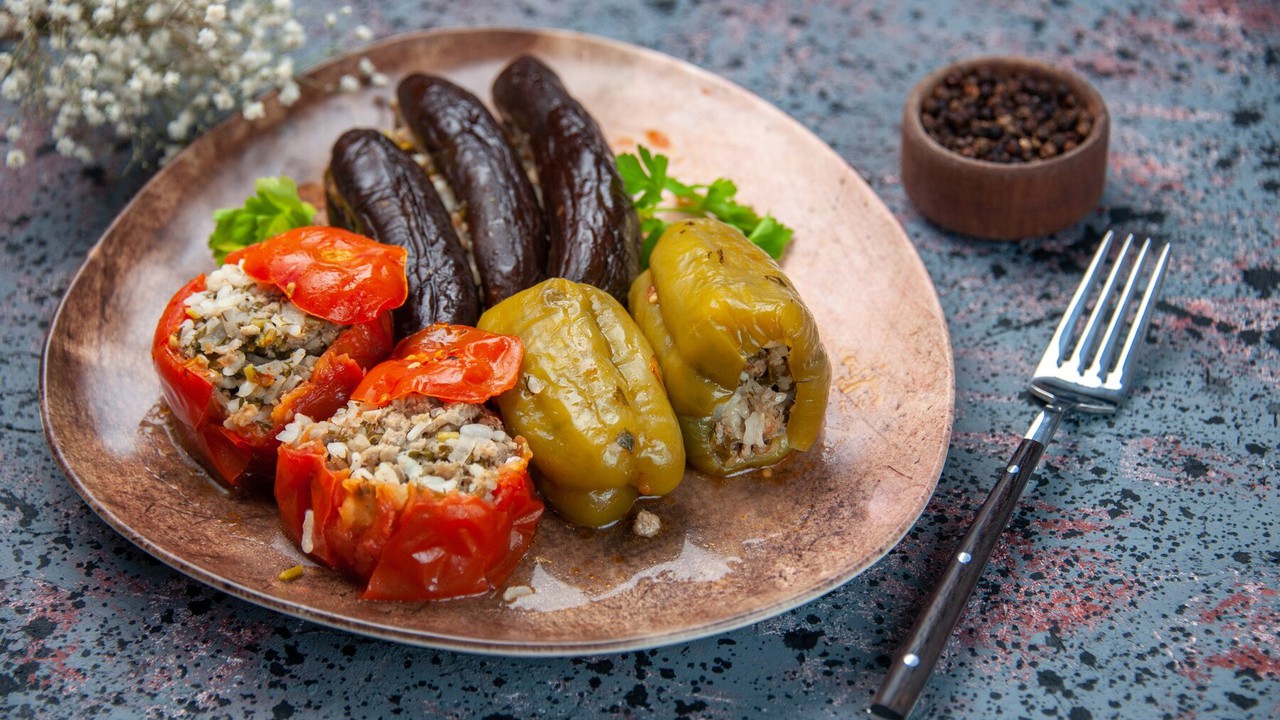
Savoring Armenian summer dolma: a refreshing seasonal delight
Armenian cuisine is a unique combination of flavors and aromas, greatly influenced by the country's rich history and cultural heritage. Armenian summer dolma has a special place in the summer months. It is one of the colorful Armenian dishes that combines the juiciness of meat and the aroma of summer harvest. Summer dolma is made from fresh, seasonal vegetables: eggplant, pepper, tomato, zucchini, which are stuffed with a delicious mixture of minced meat, rice, and fragrant greens. Then the dolma is stewed in a rich tomato sauce until completely soft. The vegetables used in this dish are seasonal during the summer months, making it a popular dish at this time of year. And the unique combination of flavors makes dolma a favorite dish of Armenian cuisine.