HISTORICAL BUILDINGS
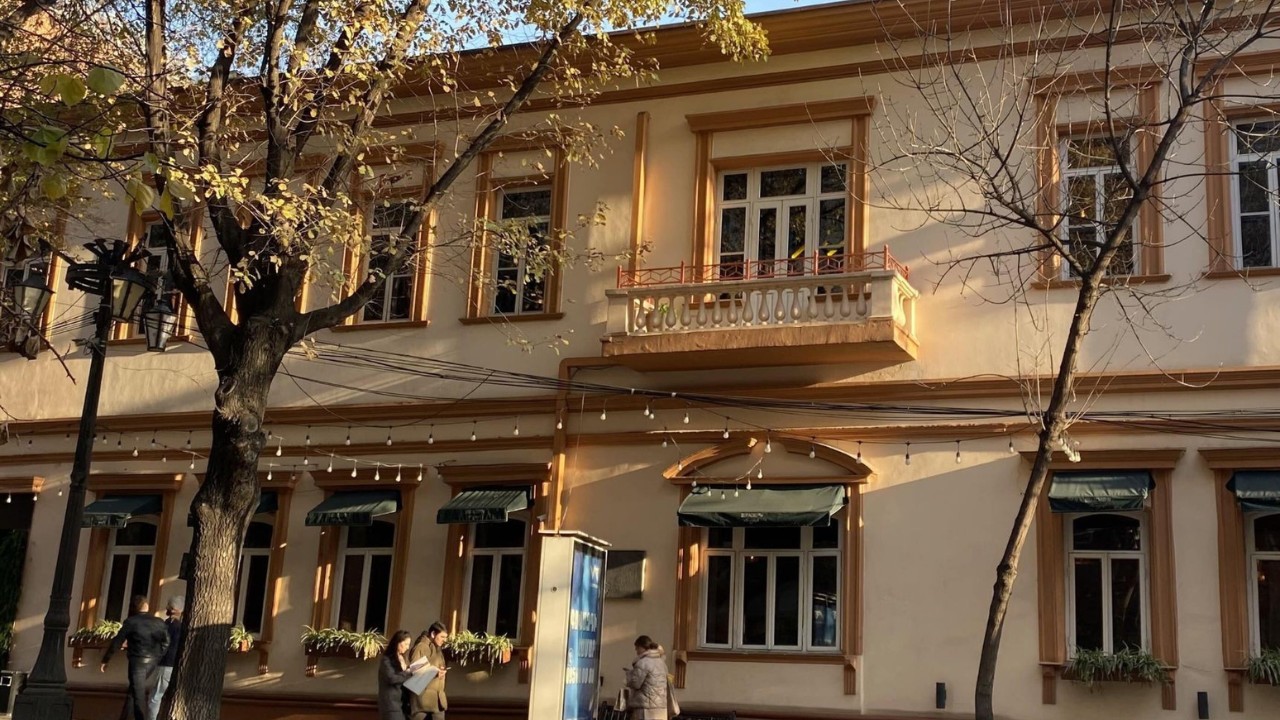
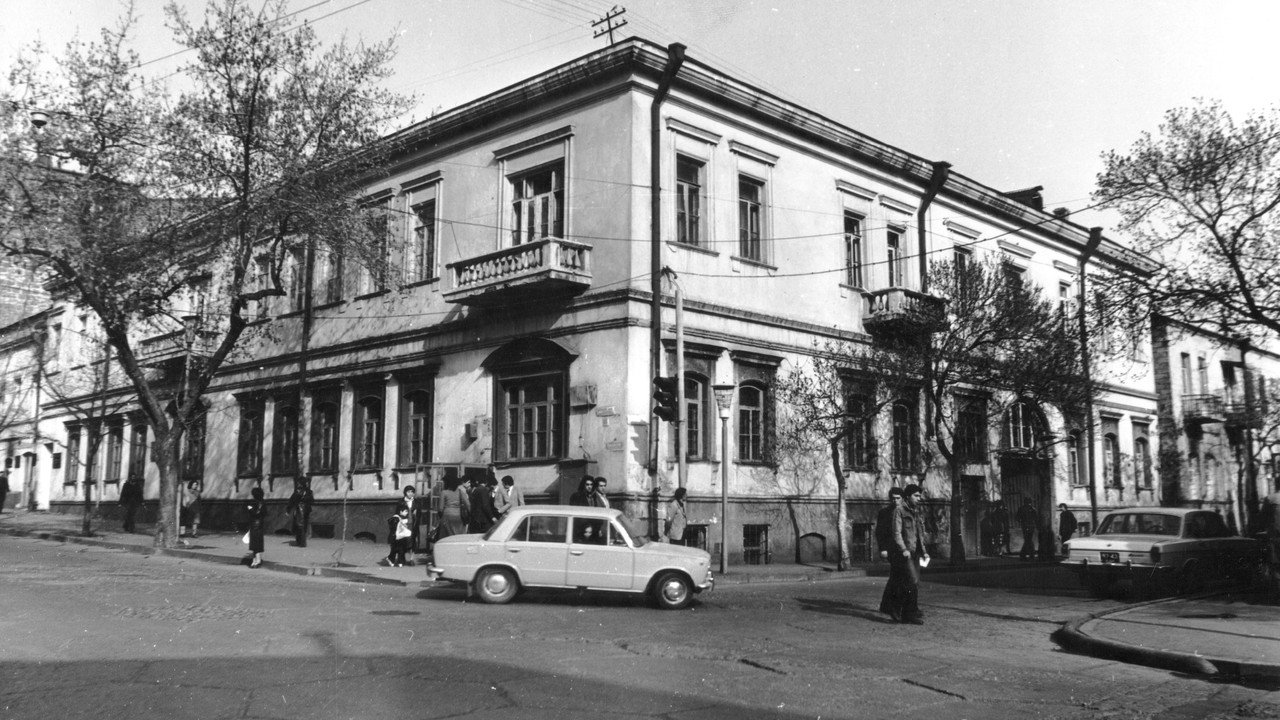
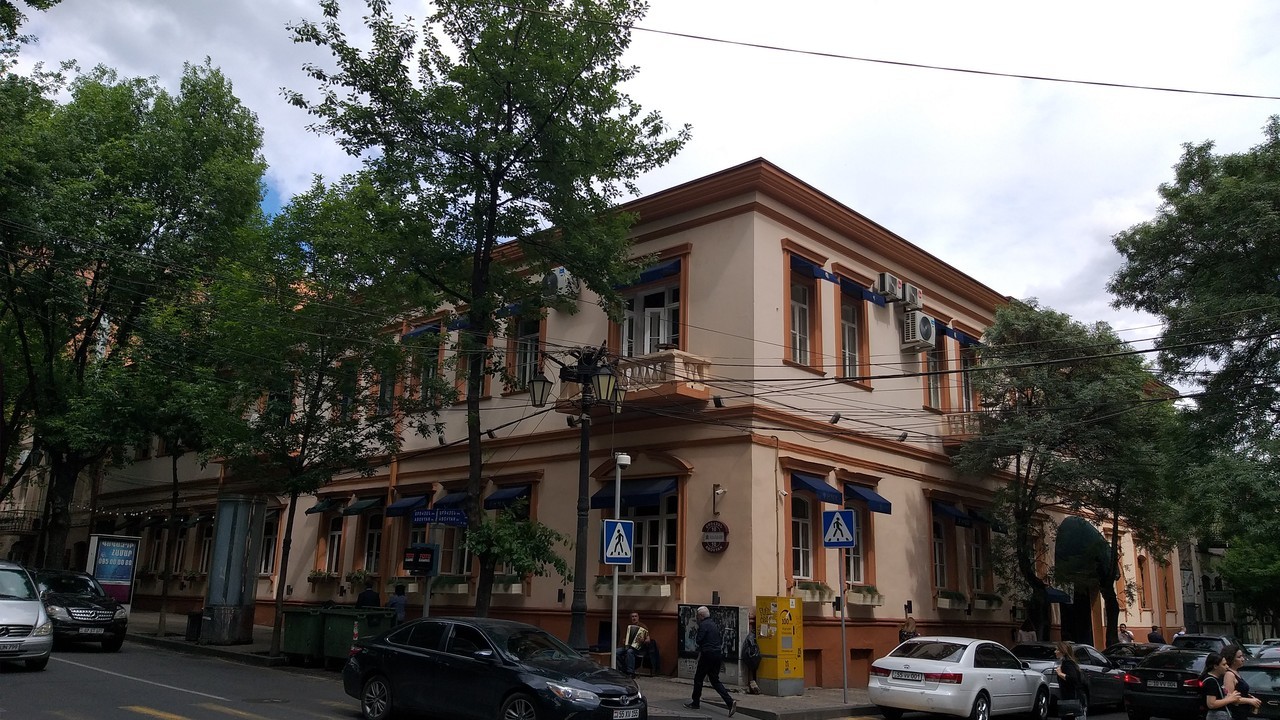
FIRST HOUSE OF GRIGOR AMIRYAN
1870s
State index: 1.6.178.4.10
The
house is located at the intersection of Abovyan and Pushkin Streets.
It
belonged to the native Yerevan merchant Grigor Amiryan, who was engaged in the
wholesale trade of manufactured goods. Amiryan owned three houses, two gardens,
and part of a caravanserai. One of the city’s major commercial houses also
belonged to him. From 1884, he served as a member of the City Duma.
From
1884 to 1888, the building was rented by the Yerevan Municipal Public
Administration. From October 1, 1898, until December 1907 — that is, until the
construction of the administrative building on Cathedral Square (now Shahumyan
Square) — the City Council (Duma) was located in this house.
According
to the 1900 real estate valuation register, the house belonged to Anna
Aghamalovna Amiryan-Yegiazaryan, the wife of Grigor Amiryan, who had inherited
the property. In July 1906, she sold the house to the Gabrielyan brothers, who
later sold it to Gevorg Amiryan.
In
1910–1911, an ophthalmological hospital operated in the house, and from 1911 to
1915 it housed the well-known private hospital of Dr. Hovhannes Hovhannisyan.
According
to the 1911 real estate valuation register, the building was two stories high,
with a basement and an earthen roof, and was built of tuff stone. The floor of
the first story was earthen, while the second floor was wooden. The ceiling was
plastered, and the basement had vaulted ceilings. The main building contained
one apartment with 12 rooms (excluding vestibules and kitchens) and five
basement spaces. There was also a shed and a woodshed in the courtyard.
In
August 1923, the house was nationalized. According to the memorial plaque
attached to the main façade, the Russian writer Maxim Gorky stayed in this
house in 1928. He spent the night of July 25–26 here.
For
about 71 years (1937–2008), the building housed the Geological Museum named
after the prominent geologist and Honored Scientist Hovhannes Karapetyan. The
scientist himself also lived in this house.
The
building underwent several reconstructions. Initially, it was a one-story
structure built of tuff and fired brick, with an earthen roof and wooden
floors. In 1909, it was reconstructed and a second floor was added, increasing
the number of rooms from 6 to 12. Later, the partitions on the second floor
were removed, and several rooms were merged into a single exhibition hall.
Grigor
Amiryan’s first house is a two-story building with basements. The main
rectangular rooms are arranged in two rows. On the southeastern side of the
building there is a second structure connected to the first by a staircase. The
central entrance is from Abovyan Street, while two additional entrances are
from Pushkin Street.
The
structural system consists of load-bearing stone walls laid in the “midis”
masonry technique. The façades are plastered. The ceilings are flat, supported
by wooden beams. The basements have stone vaults. The roof is sloped and
covered with sheet metal.
The
history of the building is an inseparable part of the history of Yerevan in the
late 19th and early 20th centuries.