UNIQUE PLACES

SHENGAVIT SETTLEMENT
Shengavit is one of the key monuments of the Early Bronze Age, representing universal value.
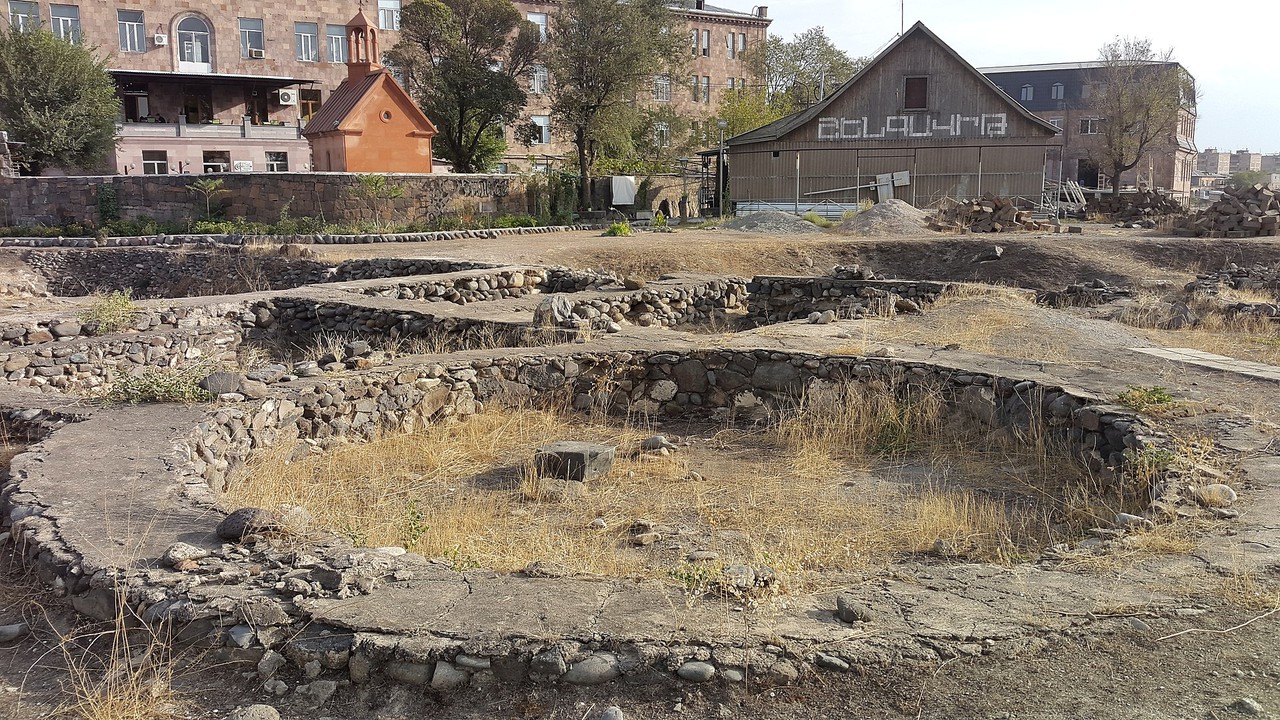
The Shengavit settlement is located in
the southwestern part of Yerevan, on the flat top and slopes of the
hill-promontory on the southern, left bank of the Hrazdan River, now Lake
Yerevan. It consists of a multi-layered settlement and a burial ground.
Founded in the 4th millennium BC, it
survived for more than 1000 years, until the middle of the 3rd millennium BC.
In 2900-2700 BC, stone-built, 2-4 m wide walls were built along the perimeter
of the top of the promontory. Shengavit was a continuously developing
agricultural, livestock, metallurgical, religious and commercial-industrial
center surrounded by neighboring villages. Not long ago, before the
construction of Lake Yerevan, the village of Koghb was located on the site,
with its gardens and arable land.
In the Early Bronze Age, irrigated
agriculture reached a high level of development in the Armenian Highlands, as
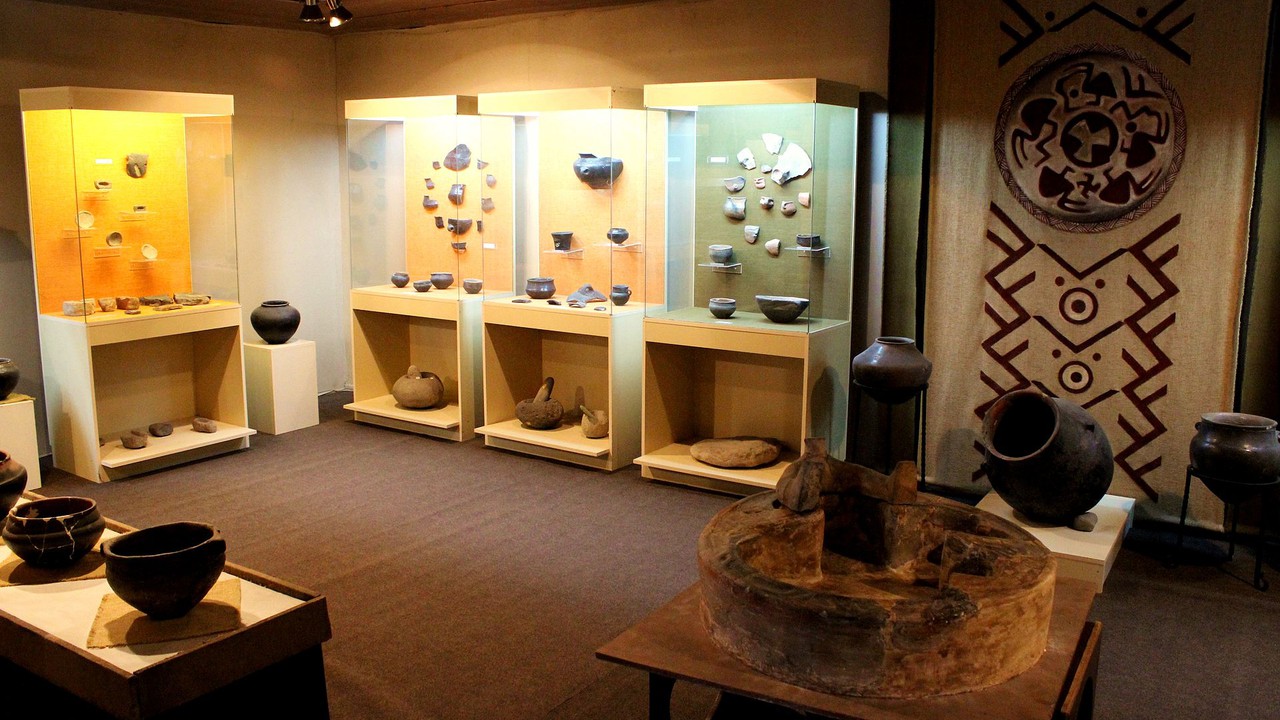
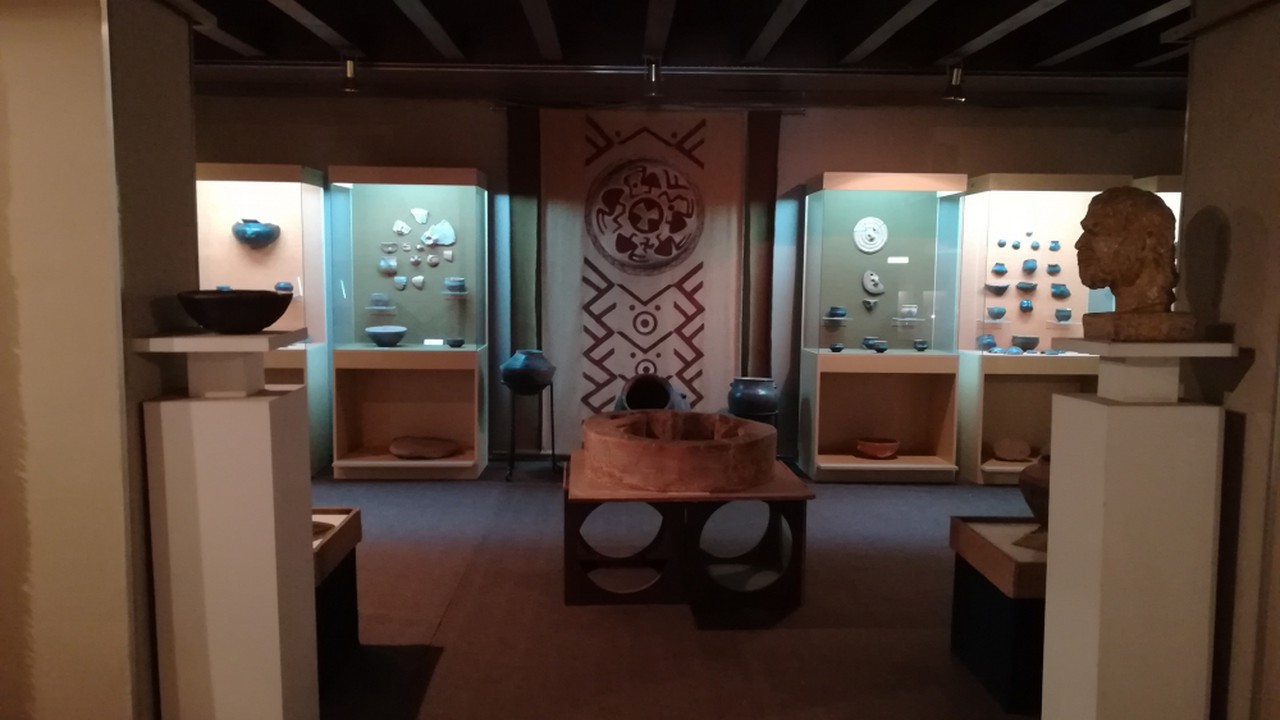
evidenced by the unprecedented number of agricultural tools found during
excavations. Stone adzes, hundreds of flint sickle blades, which were attached
to wooden or bone bases with bitumen, boat-shaped awls made of porous basalt,
beaters made of river stones, sanders, mortars, etc.
Archaeological research in Shengavit
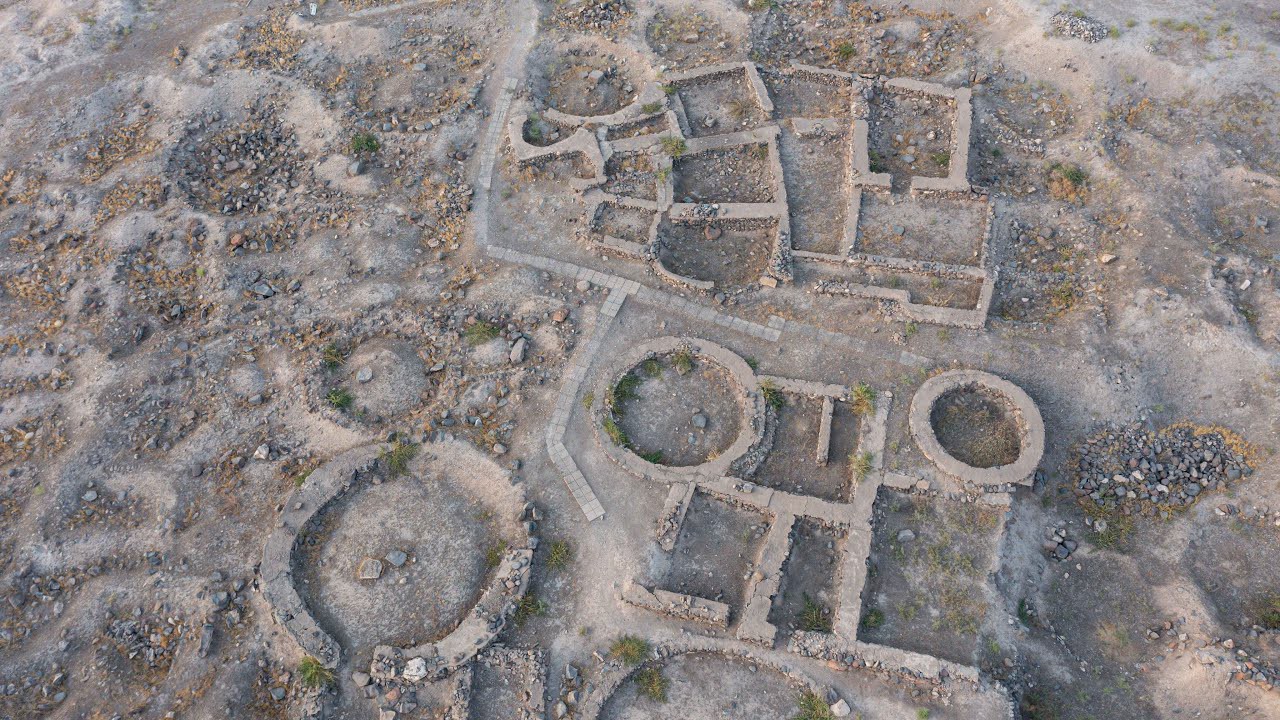
began in 1936-1938. and continue to this day. It was found that Shengavit had
at least 500-700 houses with a population of approximately 5000-6000. Traces of
artisan activity have been documented in different parts of the city: metal and
stone processing workshops, grain storage pits. Shengavit, with its
construction, architectural monuments and complex religious system (a temple
dating back to the second half of the 3rd millennium BC was discovered during
excavations in 2012), is among the famous urban settlements of the Ancient
East. As a result of the excavations, a three-row wall chain consisting of a
rampart-retaining wall was discovered on the northern and western sides facing
the Hrazdan Gorge, reinforced with rectangular wall-towers in plan. A 30 m long
and 1.5 m high secret passage built of slabs and covered-disguised with earth
(3rd millennium BC, state index: 1.11.2.1) descended into the Hrazdan River
through one of the towers.
Outside the wall surrounding the city, in
the abandoned suburb, a tomb field dating back to the first half of the 3rd
millennium BC spreads. So far, 15 burials have been discovered. The ritual of
embalming was widespread. The jewelry and beads made of gold, silver, bronze,
sardius, jasper, marble, travertine, limestone, tuff, bone, sea snails,
terracotta and glass found in the tombs testify to the deep social
stratification. Among the monuments discovered during the excavations of the
tombs is a phallus dating back to the 3rd millennium BC, placed in front of the
museum. It is a stone, wide at the bottom, narrowing at the top, with a phallic
ending. It is carved from gray tuff, and has dimensions of 210 x 60 x 40 cm.
The cult of phalli, associated with the cult of male fertility, was widespread
in the early agricultural and early Bronze Age cultures of the Ancient World.
In the early Bronze Age culture called Shengavit or Kur-Araks, it was reflected
in sexually emphasized signs: in male figurines, in relief sculptures of mobile
and fixed clay cult centers (Karaz, Harich, Shengavit, Orkhevi, etc.).