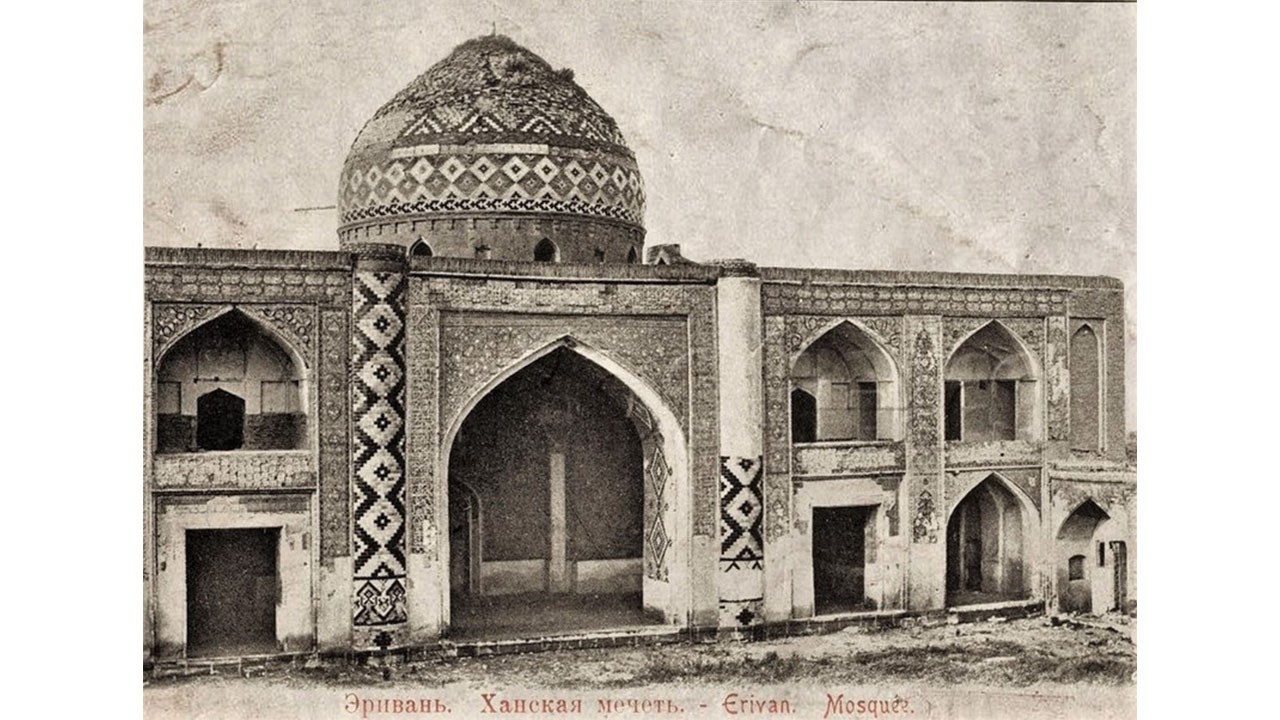
PLACES OF WORSHIP
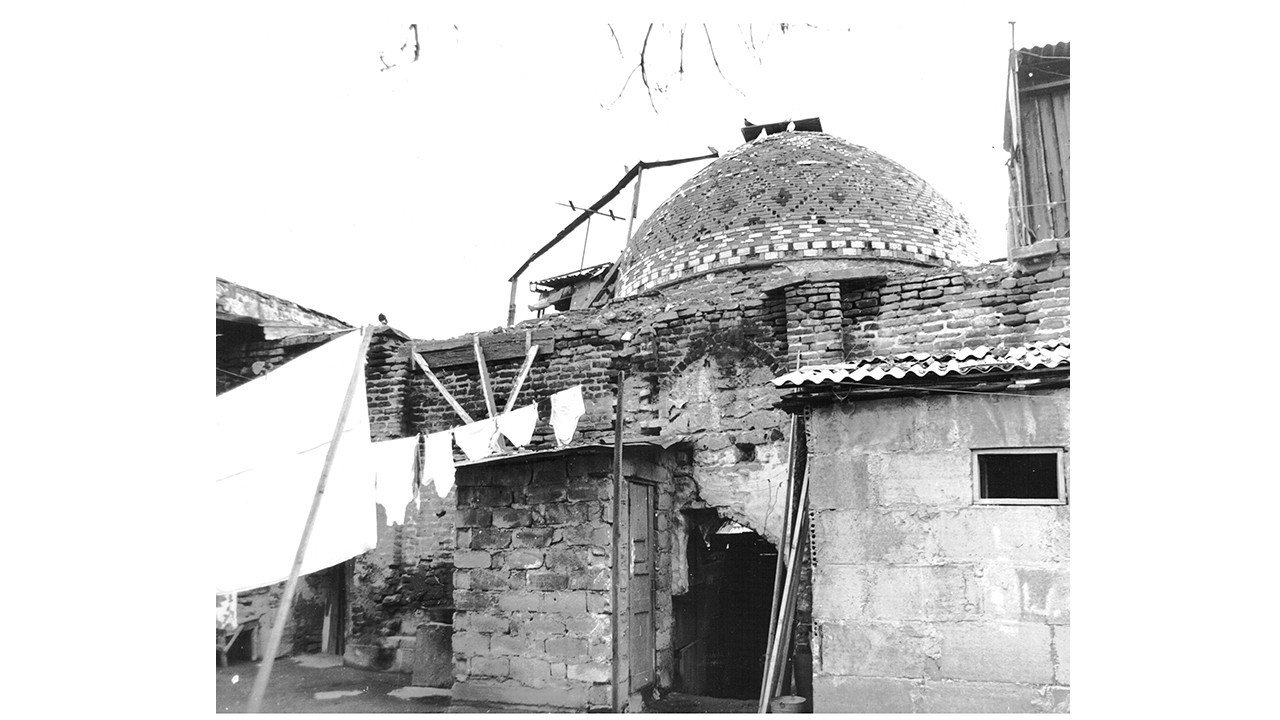
KOND MOSQUE
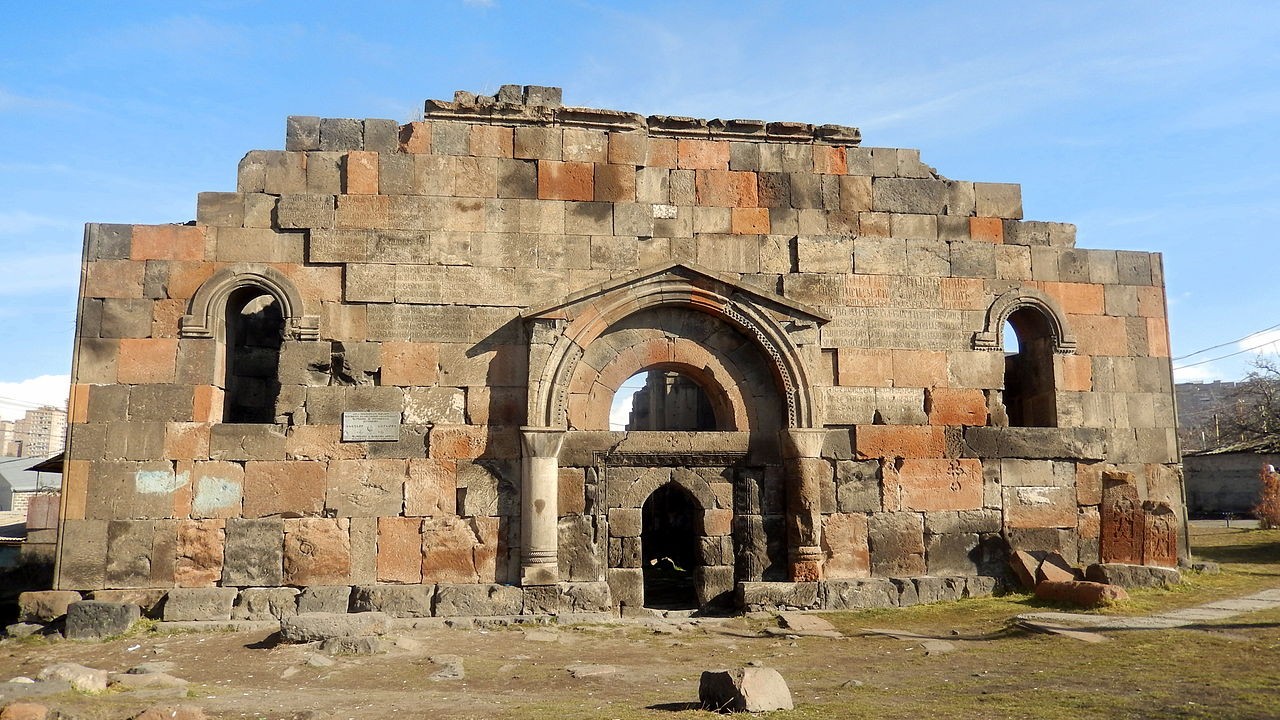
The complex is interesting as a monument of Persian architecture in Yerevan, a type of cult building. 1687
Located
in the southern part of Kond Hill, in a densely built-up residential area at
the beginning of Rustaveli Street. The mosque was built by Haji Novruz Alibek
in 1687, during the Persian rule. The complex is represented in the 1906-1911
master plan of Yerevan, compiled by architect Boris Mehrabyan.
During
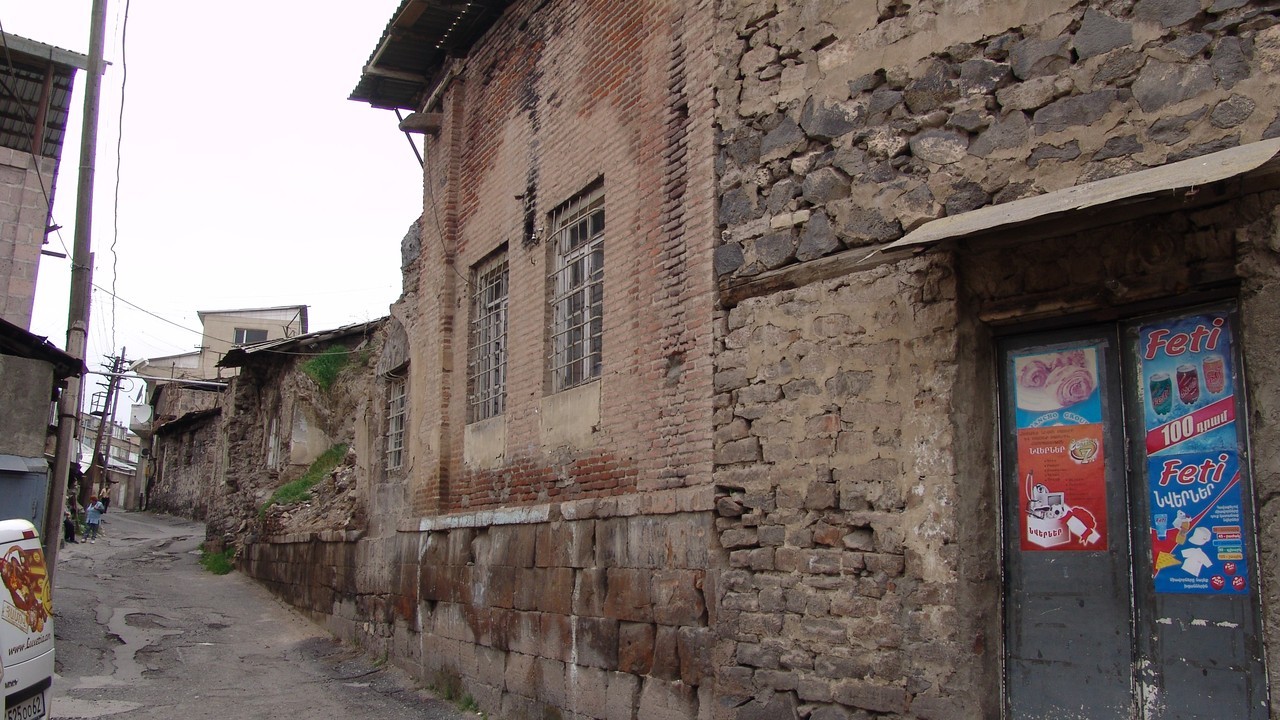
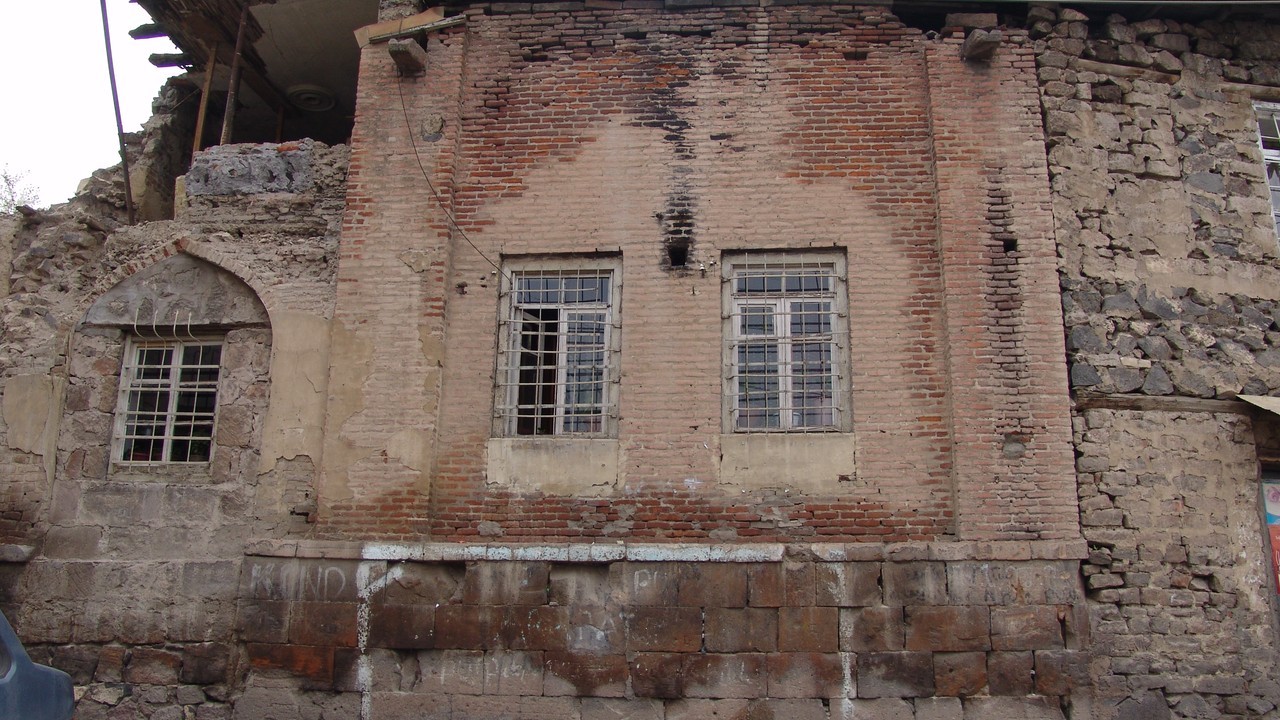
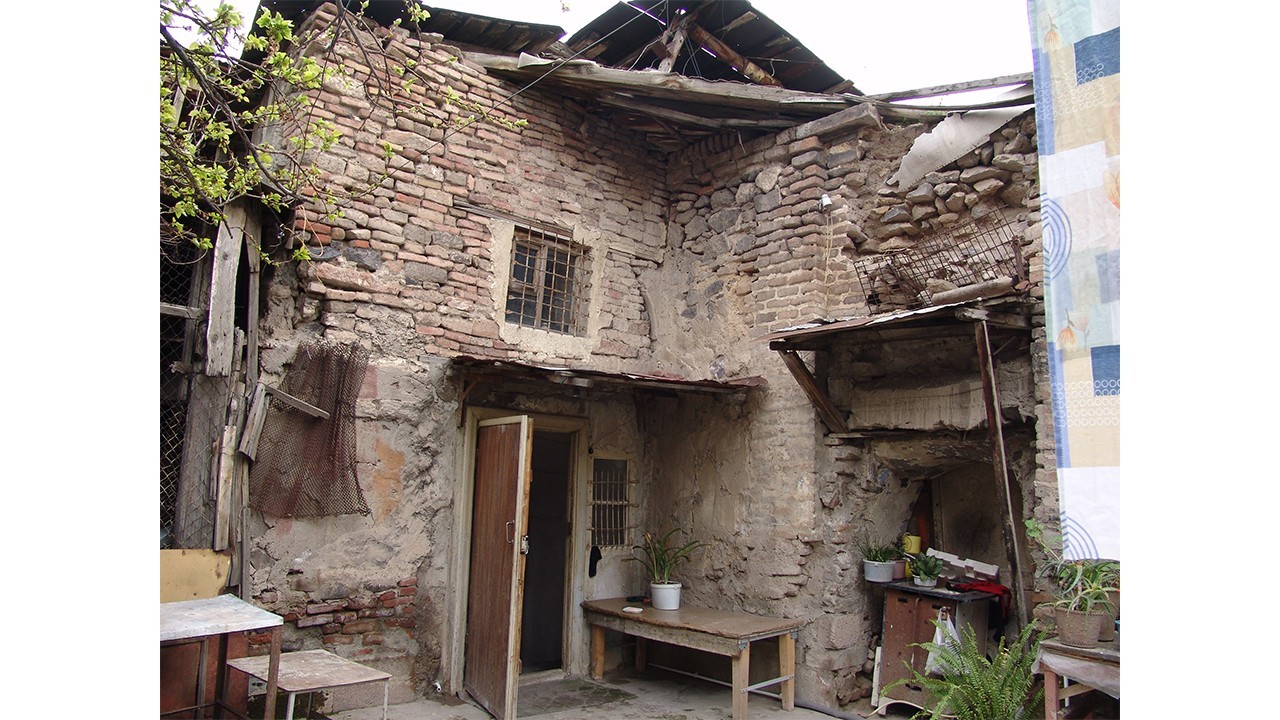
the Soviet years, several families settled in the territory of the mosque,
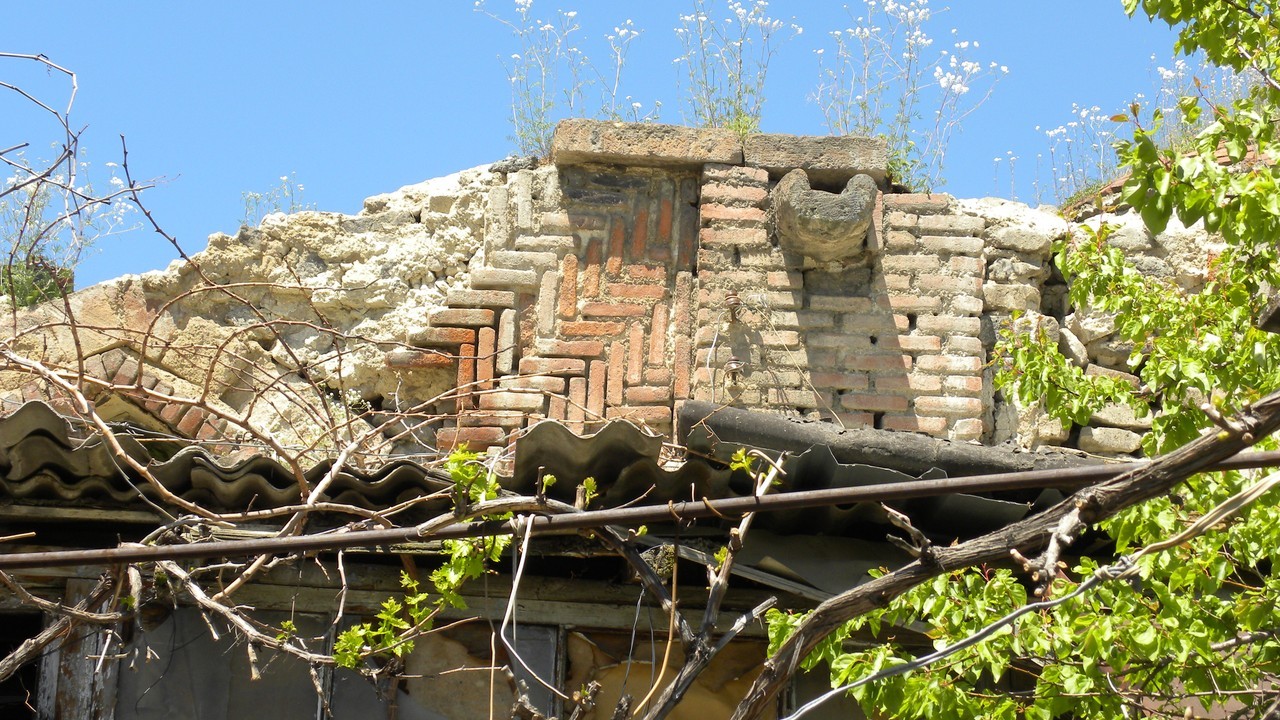
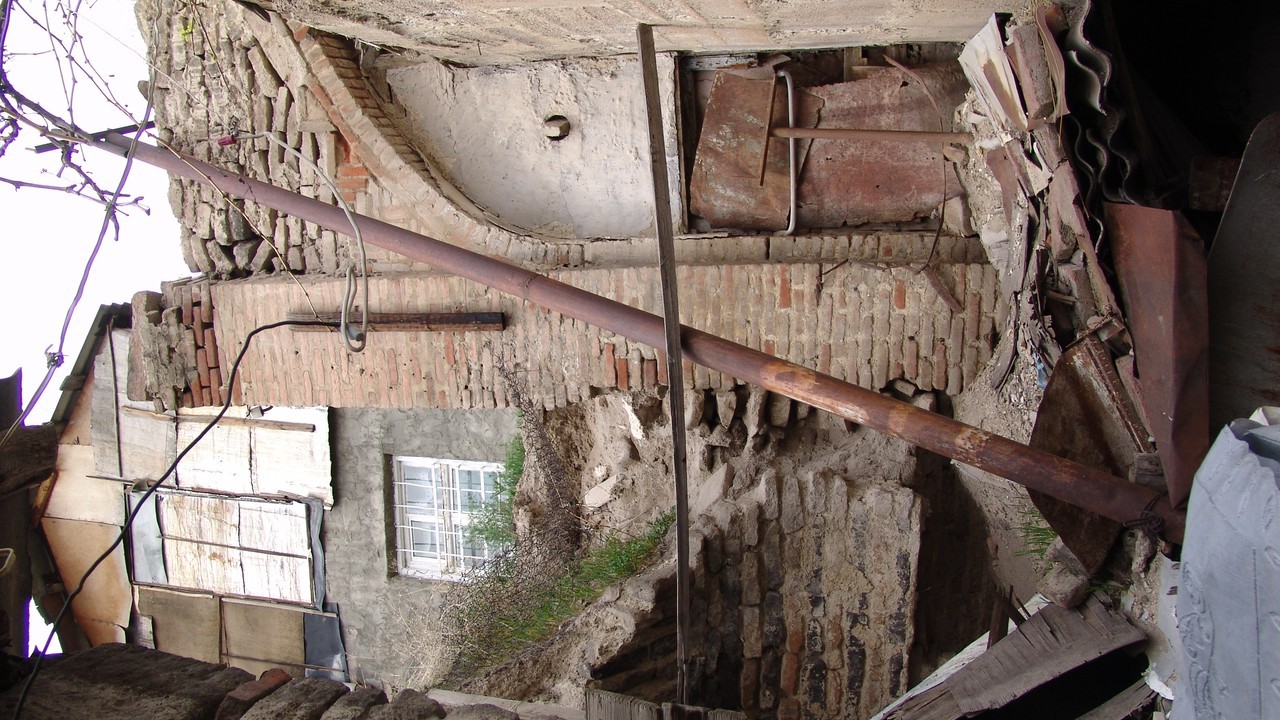
whose numerous reconstructions and changes disrupted the original appearance
and volumetric structure of the mosque. Today it is still inhabited.
The
Kond Mosque is a complex of buildings extending in a north-south direction
around a rectangular, wide inner courtyard, dominated by the mosque building
with a dome. The structures are located along the perimeter of the courtyard
according to their specific functional purpose. On the eastern and western
sides are almost identical, three cells each, measuring 4.3 x 3.4 m. The
northern and southern structures were of a cultic nature, with the difference
that the first was intended for prayers in winter, and the second for summer.
The cultic structure consists of three interconnected buildings (of which the
dominant one is the middle one, the dome-bearing one), as well as vaulted halls
attached to the first one from the east and west. The mosque has two entrances
on both sides of the southern cultic volume group: from the east and west.
Moreover, in both cases there are intermediate passageways between the first
opening and the exit to the courtyard. The eastern and western residential
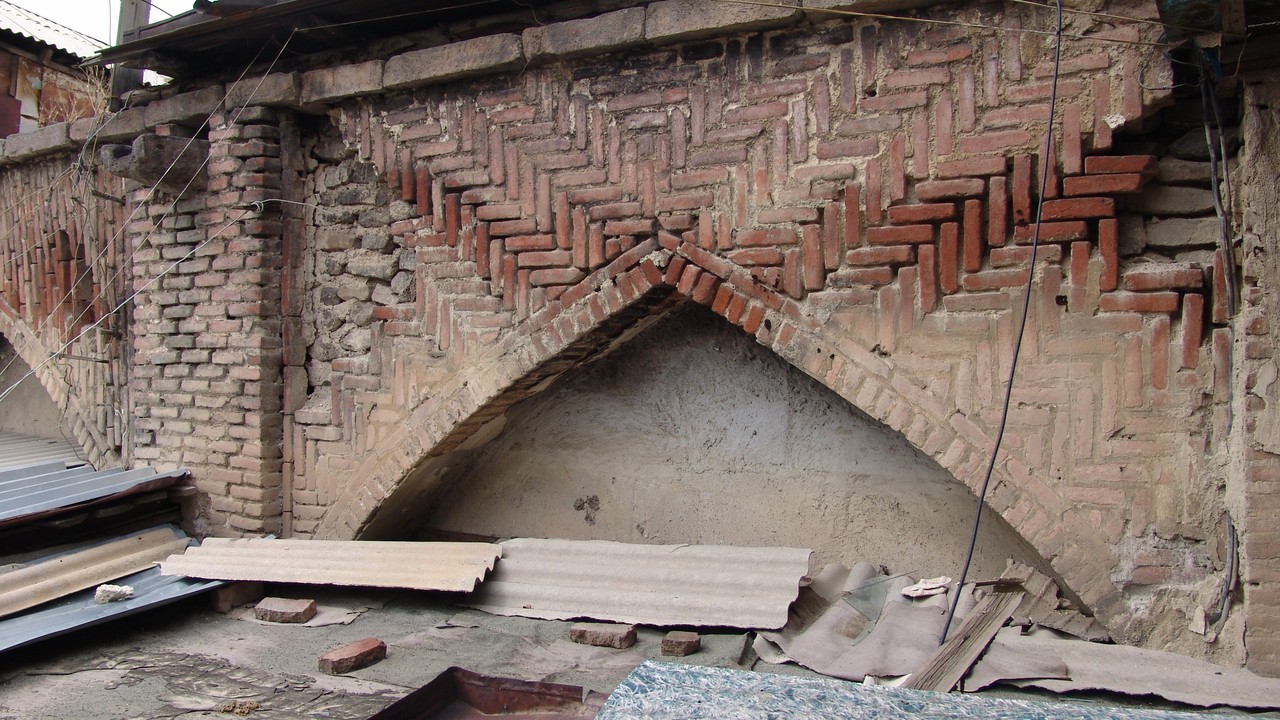
buildings consist of six identical structures. The building material is baked
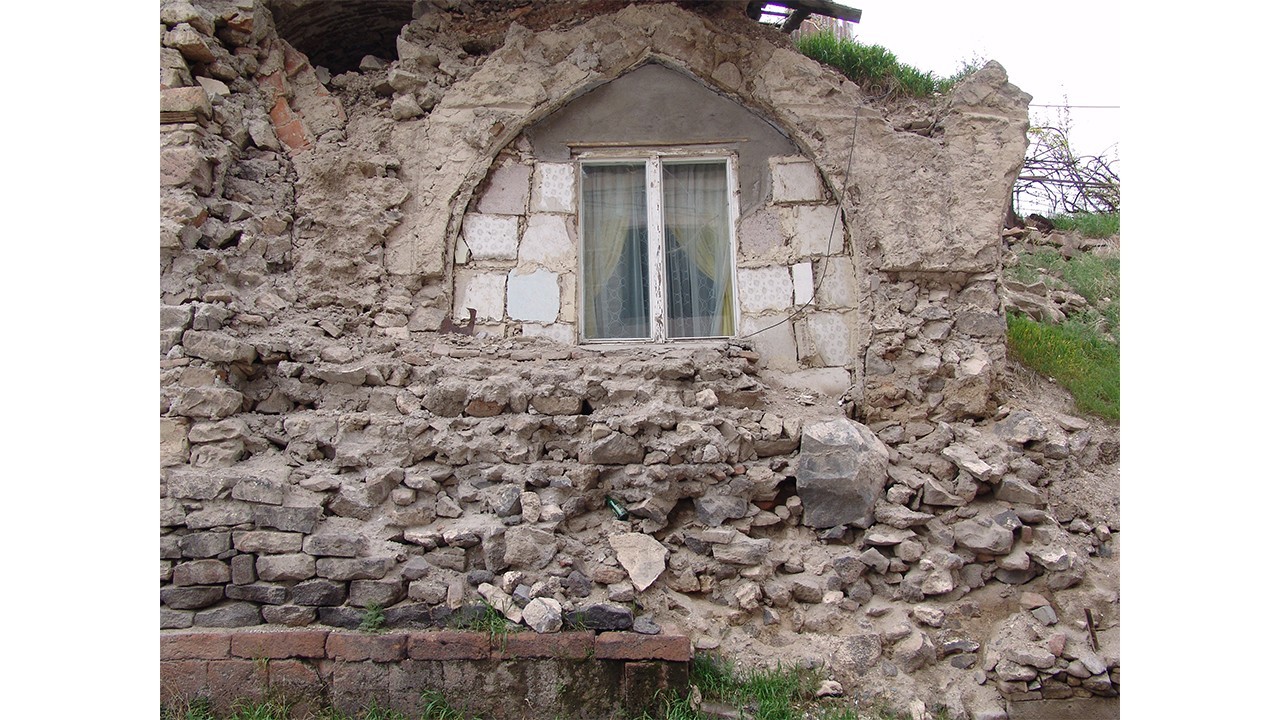
brick. The domes are decorated with black, gray and yellow tiles. The southern
dome and the adjacent quarters are destroyed. The walls have cracks.