HISTORICAL BUILDINGS
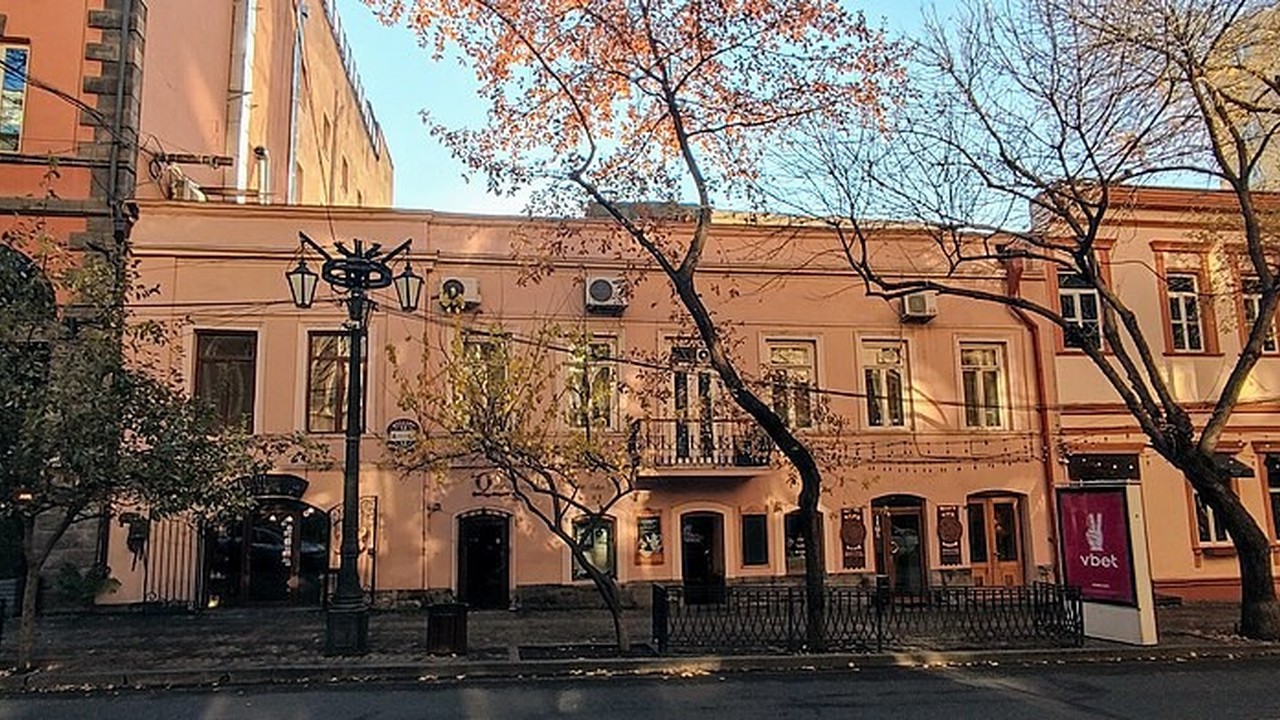
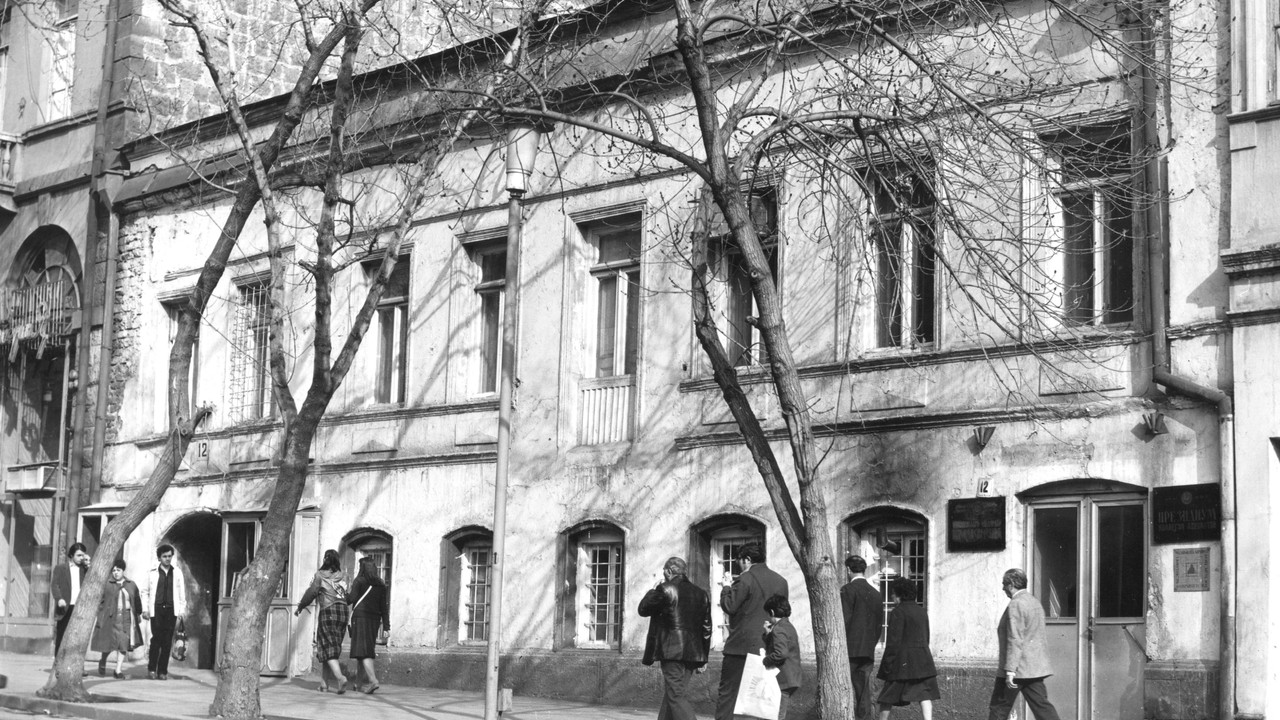
SECOND HOUSE OF GRIGOR AMIRYAN
1883
State index: 1.6.178.4.11
The
house is located on Abovyan Street.
It
belonged to the native Yerevan merchant Grigor Amiryan, who was engaged in the
wholesale trade of manufactured goods. Amiryan owned three houses, two gardens,
and part of a caravanserai. One of the city’s major commercial houses also
belonged to him. From 1884, he served as a member of the City Duma.
According
to the 1910 real estate valuation register, the building was two stories high,
built of tuff stone, with an earthen roof, wooden floors, and plastered
ceilings. The main building contained two apartments and nine rooms (excluding
vestibules and kitchens). There was also one apartment with five rooms in the
courtyard.
In
August 1923, the house was nationalized and used as a dormitory for the Central
Executive Committee and the Council of People’s Commissars of the Armenian SSR.
Soviet state and party figures lived here, including: in 1921–1922, Alexander
Myasnikyan, Chairman of the Council of People’s Commissars and People’s
Commissar for Military Affairs; in 1922–1928, Sarkis Hambardzumyan, Chairman of
the Council of People’s Commissars; and in 1929–1936, Aghasi Khanjyan, First
Secretary of the Central Committee of the Communist Party of Armenia. Later,
the Union of Composers of Armenia was located here, followed by the Presidium
of the Bar Association until the 1980s. From 1992 to 2014, the headquarters of
the “National Democratic Union” party, led by Vazgen Manukyan, operated in this
building.
One
of Yerevan’s oldest photography studios was also located here, founded by
Gabriel Khanoyan, a native of Van. His work was continued by his cousin Onik
Harutyunyan, who worked in photography for 55 years. Among Yerevan residents,
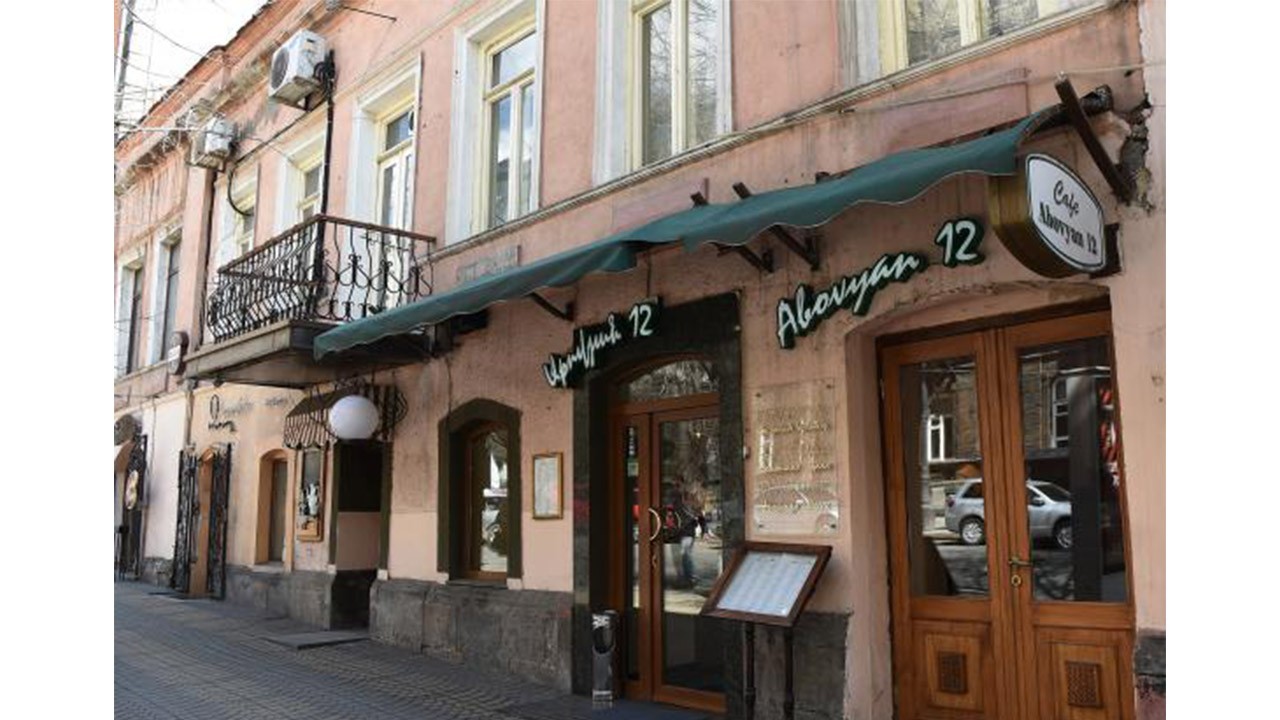
it was known as “Master Onik’s Photo Studio.” Since 2011, the “Dalan” Gallery
has been operating in the former studio space. The building also houses the
“Abovyan 12” café-restaurant.
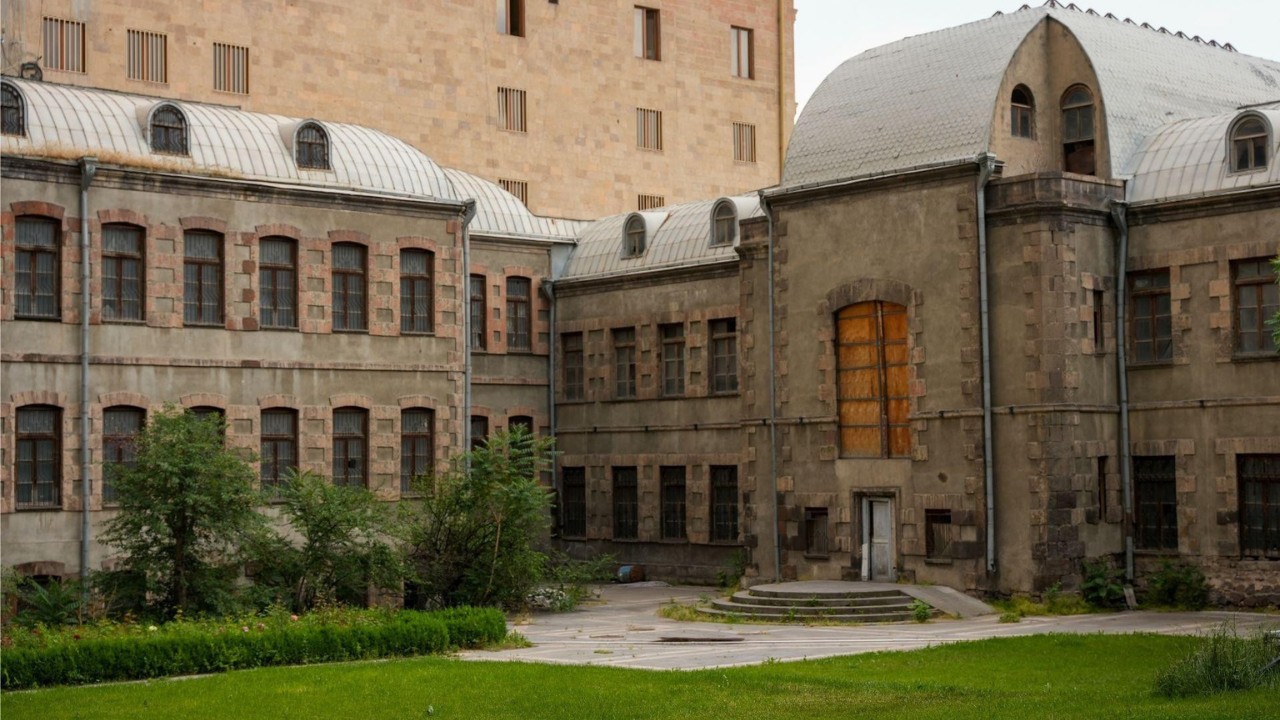
Grigor
Amiryan’s second house is a two-story building with a basement. The main volume
of the building is rectangular in plan, and the rooms are arranged in two rows
facing northwest (street side) and southeast (courtyard side). From the
courtyard side, the main building and the side wing are connected by an open
balcony. On the second floor there is a group of rooms and a hall that once had
a balcony overlooking the street (now demolished). The entrance from Abovyan
Street leads to the second floor. The first-floor rooms are accessed from the
courtyard via a balcony connected to Abovyan Street through a passageway.
The
façades are plastered. The street-facing façade is asymmetrical and designed in
a restrained manner, alternating rectangular and arched openings (the
lower-floor windows are arched, while the upper-floor windows are rectangular).
The archway passage with its semi-cylindrical vault defines the compositional
axis of the left side of the façade. The façade is articulated with anchor
courses, a cornice, vertical pilaster-like elements, and a parapet.
The
rooms preserve wall stoves made of glazed ceramic tiles. Each stove is unique,
faced with different colorful tiles. Particularly notable is the stove in one
of the central rooms, decorated with a picturesque European landscape. Two of
the stoves are still operational today.
The
building is stone-built, using the “midis” masonry technique. The structural
system consists of load-bearing stone walls. Smoothly cut tuff stone is used on
the street façade. The ceilings are flat and wooden. The roof is sloped and
covered with sheet metal. The courtyard balconies are wooden.