UNIQUE PLACES
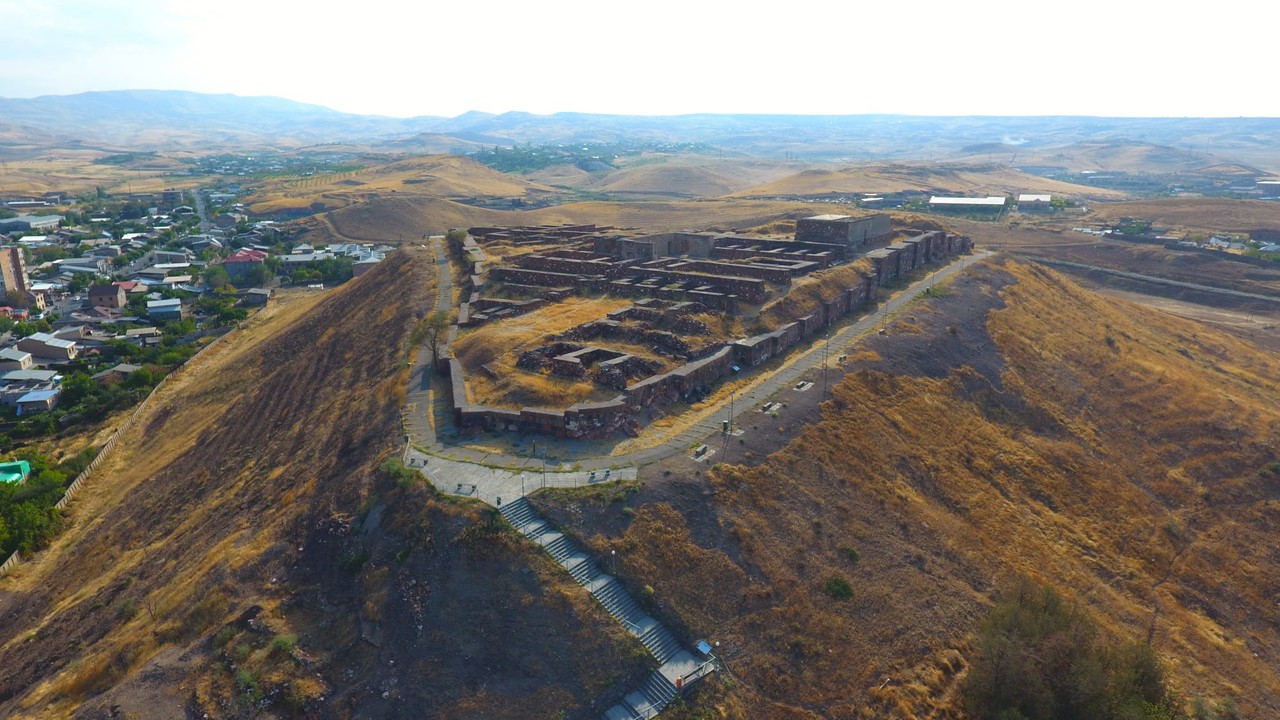
ANCIENT CITY OF EREBUNI (ARIN BERD)
Erebuni was founded by Argishti I, one of the most powerful kings of the Van Kingdom (Biaynil), in the 5th year of his reign (782 BC).
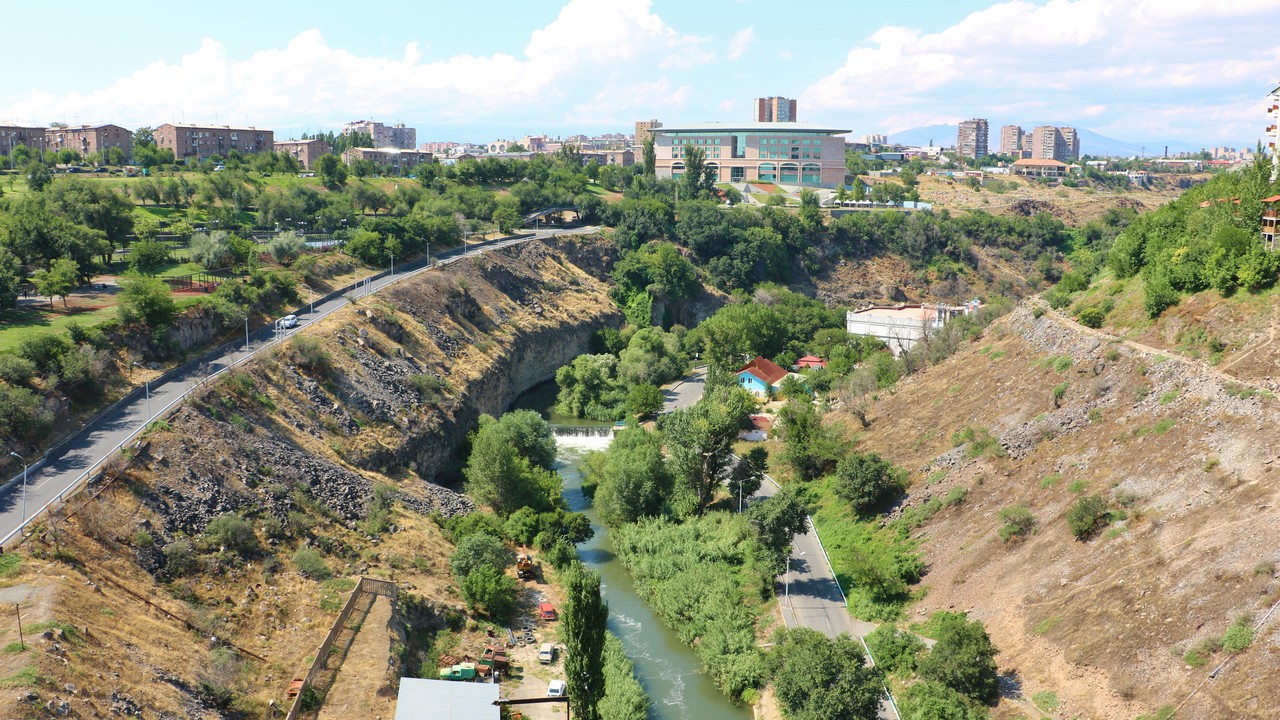
The city of Erebuni is located in the
southeastern part of Yerevan, between the Nor Aresh and Vardashen districts, on
the Arin Berd hill (height: 60 m). It is first mentioned in the Khorkhorian
chronicle of Argishti I, one of the most powerful kings of the Van Kingdom
(Biaynil), which states that Argishti founded the city of Erebuni in a deserted
place in the 5th year of his reign (782 BC), resettling 6,600 soldiers here.
The city of Erebuni had great strategic
importance for strengthening the positions of the Van Kingdom in the Ararat
Valley and the northeastern regions of the Armenian Highlands, and was a major
administrative and cult center.
In the 7th century BC, it was replaced by
the city of Teyshebaini (Red Hill), built not far away. In the 5th-4th
centuries BC, Erebuni was an important settlement within the 18th satrapy of
Achaemenid Persia. It survived until the 4th century BC. The second half.
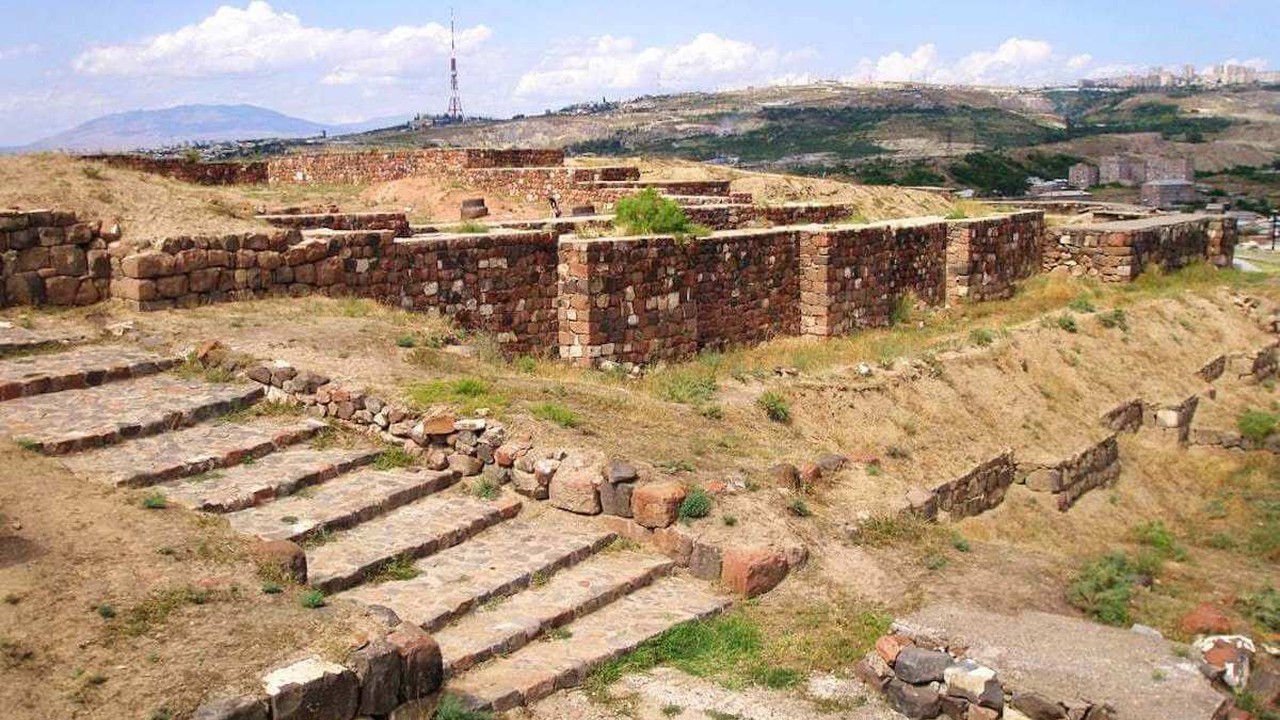
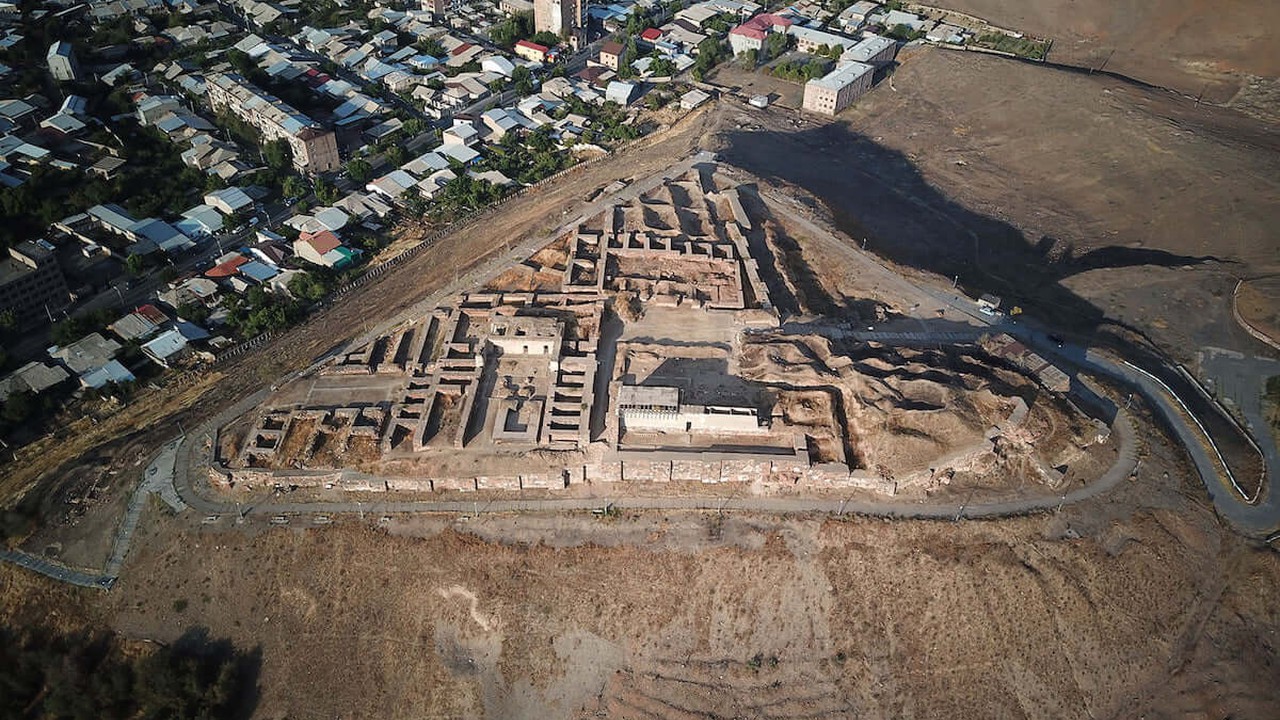
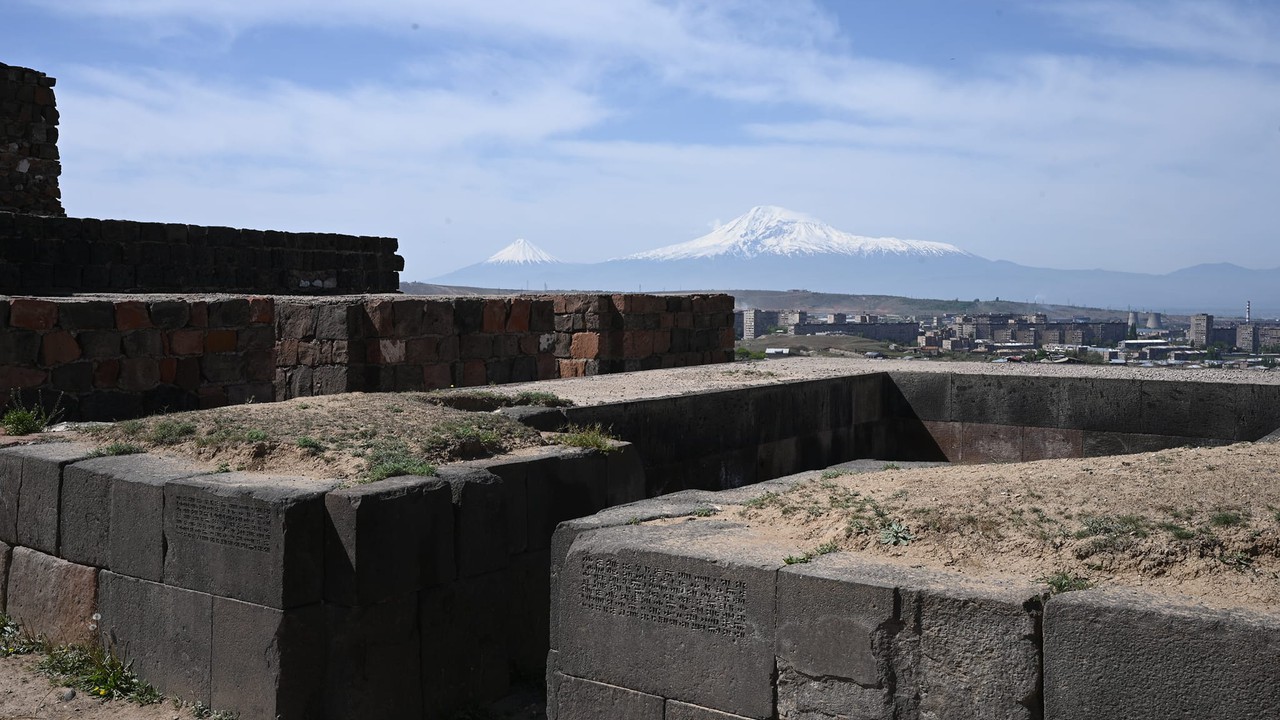
The city includes the citadel (8th-7th
centuries BC). Ayn Arin fortress is a building with a triangular plan on the
top of the hill, 5-6 m high, with powerful fortress walls preserved, built of
basalt, tuff and raw brick. It had three main sections: palace, cult and
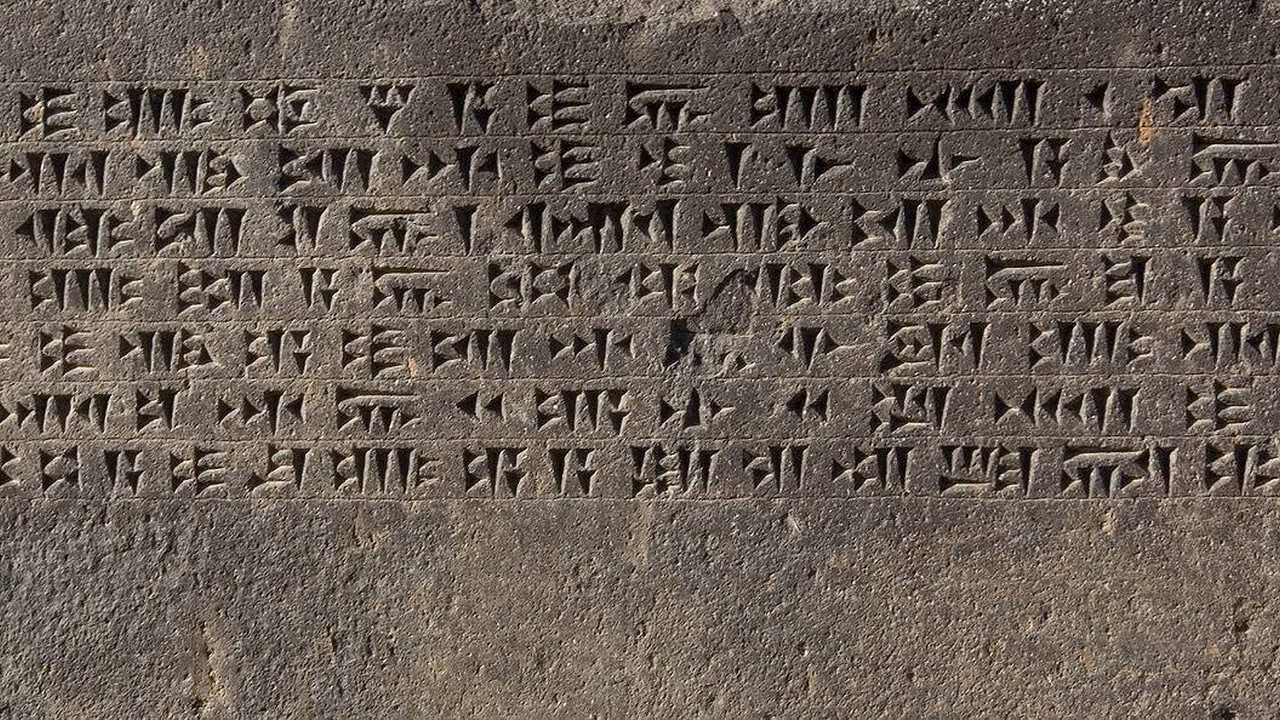
economic. On the top of the hill, near the entrance to the citadel, in 1950. a
cuneiform inscription of Argishti I about the foundation of Erebuni (782 BC)
was discovered, the 13-line text of which is carved on a wonderfully worked
basalt stone measuring 69 x 38 cm. The cuneiform inscription is the “birth
certificate” of Yerevan, the capital of all Armenians (according to experts,
the name “Yerevan” originated from the name form “Erebuni”) and served as the
basis for celebrating the 2750th anniversary of its founding in 1968. The
largest building in the Erebuni fortress city is the large palace built by
Argishti I (8th-7th centuries BC). The rectangular-shaped structure, measuring
60 x 80 m, consists of two parts: ceremonial-ritual and residential,
economic-storage. It has spacious halls, two courtyards, around which rooms of
various purposes are grouped. The small rectangular-shaped palace (8th century
BC) is located on the northeastern side of the central courtyard. The temple of
the god Khald (8th-6th centuries BC) is a rectangular structure, the
northeastern facade of which is directed towards the center of the citadel. The
palace "Hro" temple, built during the Yervanduni period (5th-4th
centuries BC), is in the northern corner of the central courtyard of the
citadel; only the foundations have been preserved. In one of the wings of the
large palace of the citadel is the "Susi" temple (8th century BC),
which was rebuilt and included in the "Hro" temple. Around the
citadel is the residential or urban district (8th century BC), which occupies
an area of about 200
hectares. Remains of residential and economic houses consisting of several
rooms have been excavated in different parts of the citadel. Fragments of
vessels characteristic of the pottery of the Van kingdom have been found. The
treasure of silver horn vessels, dating back to the 5th-4th centuries BC,
discovered in 1968 west of the citadel, is noteworthy.
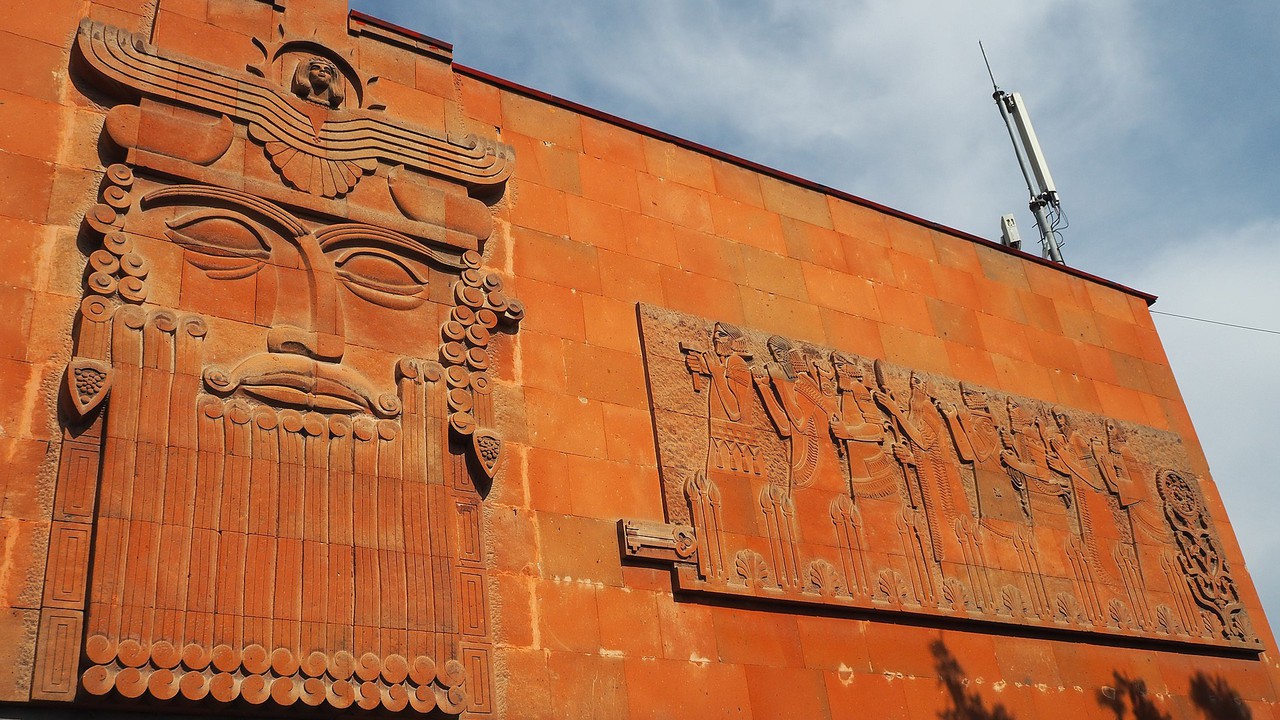
In October 1968, during the celebrations
of the 2750th anniversary of the founding of Yerevan, the Erebuni Museum (now
the Erebuni Historical and Archaeological Reserve-Museum), built at the western
foot of the Arin Berd hill, was opened. The building was designed by architects
Shmavon Azatyan and Baghdasar Arzumanyan. The two-story structure, with a
rectangular plan and dimensions of 24 x 27.05 m, bears elements of the
architecture of the Van Kingdom period. The museum exhibits archaeological
materials discovered during the excavations of the urban sites of Erebuni,
Shengavit and Teyshebaini. The four facades of the building are decorated with
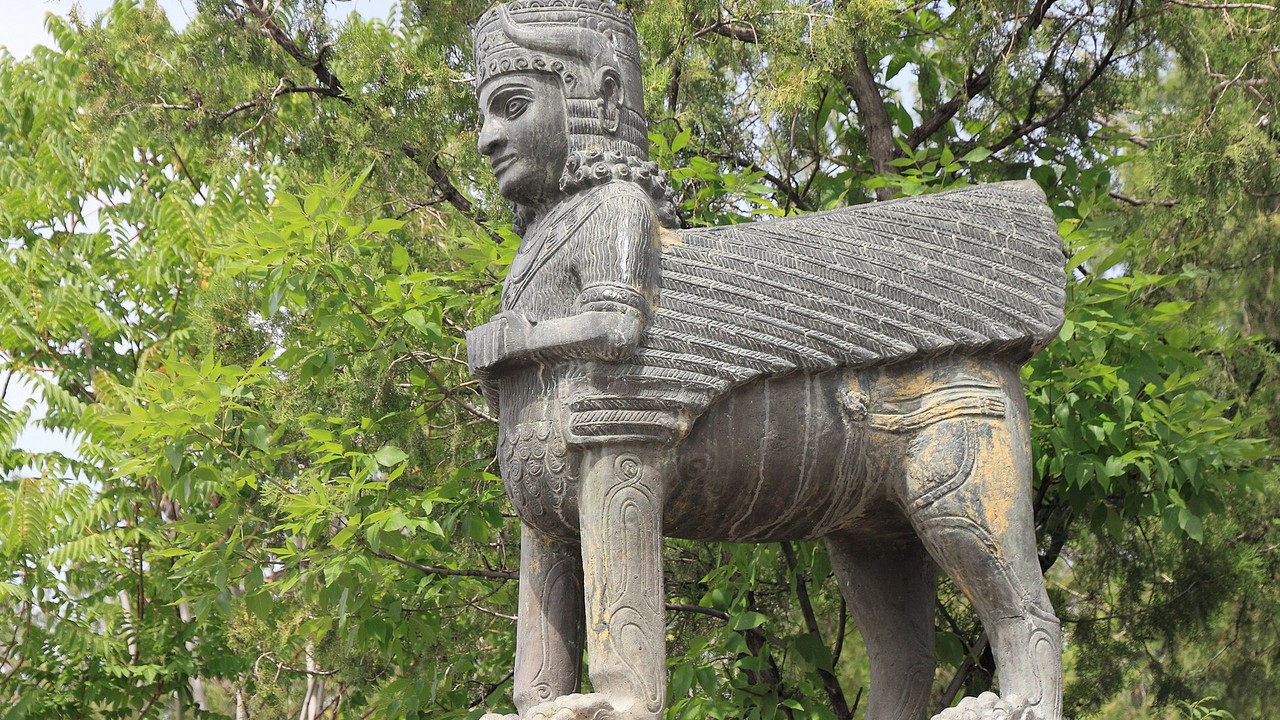
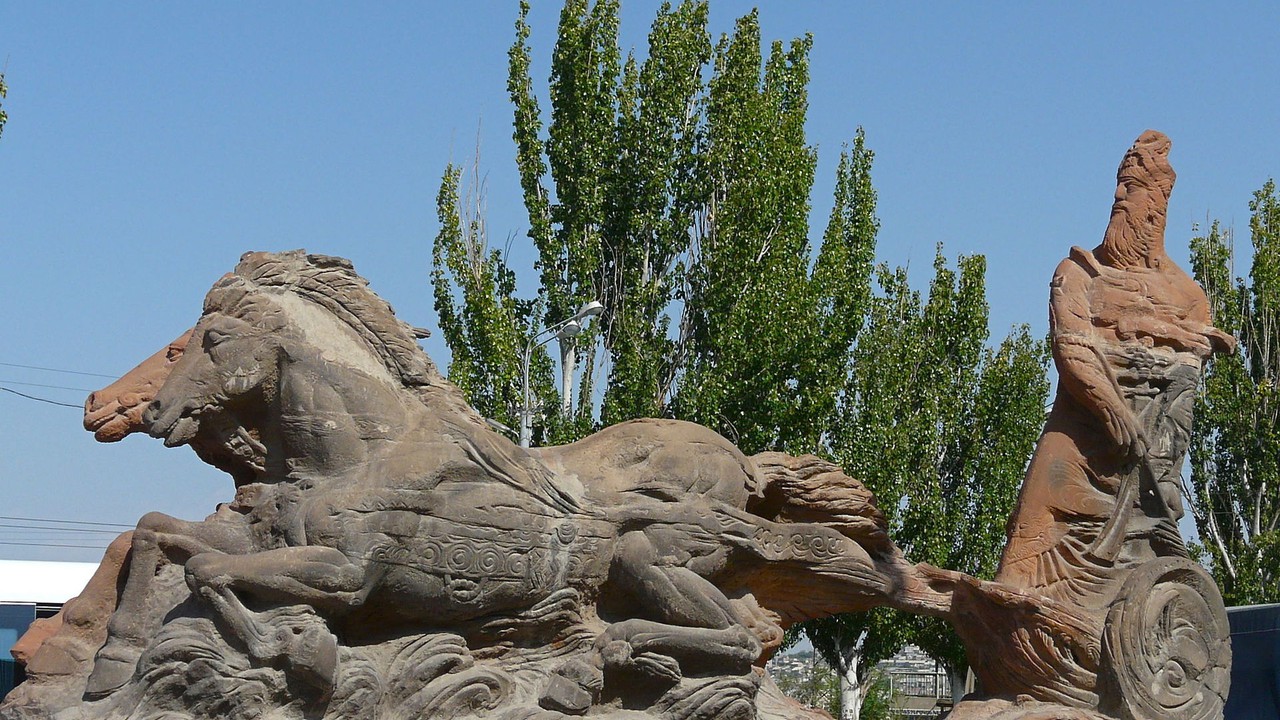
bas-reliefs, the author of which is sculptor Ara Harutyunyan. The theme of the
sculptures is the Bayanian state, with its history, worship and culture. In the
center of the main facade of the building is the bust of King Argishti, on the
right and left sides - archers and builders. On the other facades are carved
the main god Khald, a hunting scene, etc.